Cyprus Halloumi Gids: De Enige Die Het Lezen Waard Is
De eerste keer dat we echt goed gemaakte halloumi aten, zaten we op een plastic stoel in een binnenplaats in Lania. Een vrouw van in de zeventig trok met blote handen een blok uit een emmer pekel. Ze sneed het dik, legde het op een droge pan boven een gasbrander op volle vlam, en keerde elk stuk precies één keer om. Geen olie. Geen kruiden. Geen garnering, op een takje gedroogde munt na dat ze tussen haar vingers fijnwreef en over het bord strooide.
Mahogany bruin van buiten. Hoorbaar knapperig. Strekerig als mozzarella van binnen, maar toch zijn vorm bewarend, piepend tussen onze tanden op die manier die zegt dat de kaas vers en goed en echt is.
We hadden halloumi honderden keren gegeten vóór die middag. We hadden het nooit echt geproefd.
Dat moment is precies de reden waarom deze Cyprus halloumi gids bestaat. De kloof tussen wat de meeste bezoekers ervaren en wat dit eiland werkelijk produceert, is enorm. Halloumi is geen bijgerecht. Het is geen saladedressing. Het is zeker niet het rubberachtige schijfje dat je in een Londense supermarkt krijgt, in plastic verpakt en vier keer zo duur als hier. In Cyprus is halloumi een nationale identiteit samengeperst in een wit blok, en begrijpen waar het vandaan komt, hoe je het beste ervan vindt, en hoe je het op de juiste manier eet, zal je reis werkelijk veranderen.
Dus. Dit is alles wat we weten over het echte werk.
En we weten heel veel.
 Wat Halloumi Cypriotisch Maakt (En Waarom Dat Onderscheid De Moeite Waard Is)
Wat Halloumi Cypriotisch Maakt (En Waarom Dat Onderscheid De Moeite Waard Is)
Hier is een getal dat elk debat zou moeten beslechten: in april 2021 kende de Europese Unie aan halloumi de beschermde oorsprongsbenaming toe. Alleen kaas geproduceerd in Cyprus, volgens methoden die overeenstemmen met de kaasmaaktradities van het eiland, mag de naam binnen de EU wettelijk dragen.
Elke andere versie? Technisch gezien een imitatie. Laat dat even bezinken.
Halloumi duikt op in Cypriotische teksten die dateren uit de middeleeuwse Lusignan-periode, ruwweg de jaren 1500, hoewel de meeste voedselhistorici geloven dat het die documenten met eeuwen voorafgaat. Byzantijnse dorpen in de uitlopers van de Troodos maakten deze kaas lang voordat iemand eraan dacht het op te schrijven. Een eenvoudig procedé, geboren uit noodzaak: schapen- en geitenmelk van kleine kuddes, gestold en gevouwen en bewaard in pekel zodat het zou overleven tijdens de verzengende zomermaanden zonder koeling. Briljant, als je erover nadenkt. Een complete conserveringstechnologie uitgevonden door herders.

Let nu goed op die gemengde melksamenstelling, want die doet er enorm toe.
Traditionele halloumi gebruikt een mengsel van schapenmelk en geitenmelk, soms met een deel koeienmelk toegevoegd. Schaap- en geitenmelk geeft de kaas zijn kenmerkende pittige smaak, zijn licht elastische textuur, en een diepgang van smaak die pure koeienmelkversies simpelweg niet kunnen evenaren. De meeste commerciële halloumi die internationaal wordt verkocht, wordt tegenwoordig voornamelijk gemaakt van koeienmelk. Goedkoper, consistenter op grote schaal. Grilt voldoende.
Zet het naast een blok gemaakt van 70% schaap- en geitenmelk van een Troodos-zuivelboerderij, en je proeft het verschil bij de eerste hap.
Het is niet subtiel. Het is volkomen ander voedsel.
Bij het plannen van een reis rond het eiland is dit het soort detail dat een goede culinaire beleving scheidt van een onvergetelijke. Onze Cyprus halloumi gids bestaat omdat niemand anders deze verschillen goed uitlegt.
Hoe Het Wordt Gemaakt (En De Ene Stap Die Je Zal Verbazen)
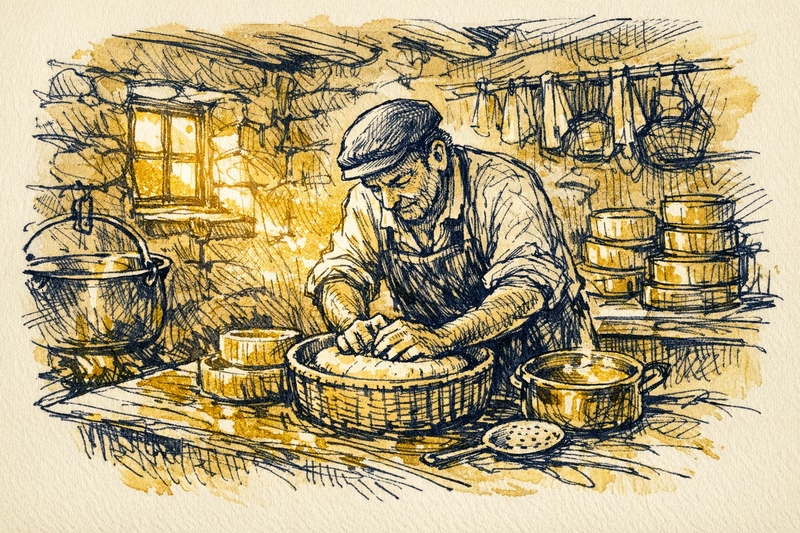
Het basisproces klinkt eenvoudig. Verse melk verwarmd tot ongeveer 35°C, stremsel dat stolling veroorzaakt, wrongel gesneden in kleine stukjes en langzaam opnieuw verwarmd tot ongeveer 40°C om wei af te scheiden. Wrongel uitgeschept, met de hand samengeperst, gevormd tot die platte, halfronde blokken.
Simpel genoeg. En dan verandert alles.
De geperste blokken gaan terug in de hete wei en koken op ongeveer 90°C gedurende ongeveer een uur. Deze ene stap is wat halloumi tot halloumi maakt. De eiwitstructuur versterkt onder die intense hitte, waardoor een kaas ontstaat die op een gloeiende grill kan liggen zonder in een plas te veranderen. De meeste kazen smelten omdat hun eiwitten losraken bij verhitting. De eiwitten van halloumi zijn al verstevigd. Grillen levert dus die prachtige bruine korst op terwijl de binnenkant stevig en veerkrachtig blijft.
Geniaal. Absoluut geniaal.
Na dat hete weibad wordt elk blok dubbel gevouwen met verse muntblaadjes in de vouw. Niet decoratief. Munt heeft natuurlijke antimicrobiële eigenschappen, en in de eeuwen vóór koeling hielp het de kaas te bewaren tijdens opslag. Qua smaak geeft het een koele, kruidachtige toon die de rijkheid van het melkvet doorsnijdt. Subtiel maar onmiskenbaar.
Afgewerkte blokken gaan in pekel. Verse halloumi, gegeten binnen enkele dagen na productie, is zacht, mild en romig. Gerijpte halloumi ontwikkelt een scherper, zouter, complexer karakter en een stevigere textuur die prachtig raspt.
En de overgebleven wei? Wordt anari, een zachte, ricotta-achtige kaas die Cyprioten bij het ontbijt eten met honing of carobistroop. Niets verspild. Eeuwen van verfijning produceerden een systeem met nul verspilling en maximale heerlijkheid. Daar moet je respect voor hebben.
Waar Je De Producenten Vindt Die Het Nog Steeds Goed Doen
Supermarkthalloumi is volkomen acceptabel. Merken als Pittas en Alambra zijn overal verkrijgbaar en produceren beide solide, betrouwbaar goede kaas. Maar wil je halloumi op zijn absolute best? Dan heb je de kleine producenten nodig.
Ze vinden is een van de grote geneugten van het verkennen van dit eiland.
Het dorp Lania in de wijnregio van Limassol herbergt een kleine coöperatieve zuivelboerderij die nog steeds halloumi maakt met een hoog aandeel schaap- en geitenmelk van lokale kuddes. Koop rechtstreeks van de zuivelboerderij. Zachter, pittiger, met een romigheid die verdwijnt zodra koeienmelk het recept overneemt. Als je het verschil eenmaal hebt geproefd, ga je nooit meer terug.
Het dorp Omodos is een andere goede optie, vooral in het weekend wanneer het dorpsplein zich vult met kleine kraampjes die lokale producten verkopen. Zoek naar halloumi verpakt in doek in plaats van vacuüm-gesegeld plastic. Vraag de verkoper welk percentage van de melk schaap of geit is. Als ze het je kunnen vertellen, en als dat getal boven de 50% ligt, heb je iets waardevols gevonden.
Hoog in de bergen rond Platres werken kleine producenten volledig buiten de toeristische radar. Je vindt ze niet op Google Maps met verzorgde fotogalerijen.
Vraag het in het lokale kafeneion. De neef van iemand maakt kaas. De buurman van iemand heeft geiten. Zo werkt het, en eerlijk gezegd is dit hoe het zou moeten werken.
In Nicosia is de Gemeentelijke Markt aan de Digeni Akrita-straat de beste plek om traditionele halloumi van meerdere producenten te vergelijken. Kaasverkopers daar leiden je door verse, half-gerijpte en volledig gerijpte versies, en ze laten je proeven voordat je koopt. Prijzen variëren van 8 tot 15 euro per kilo, afhankelijk van melksamenstelling en rijpingsduur.
Een fractie van wat je betaalt voor een inferieur product in het buitenland. Dat alleen al zou je enthousiast moeten maken.
Voor reizigers op een langer verblijf is het opbouwen van een relatie met een enkele producent en wekelijks kopen een van die kleine genoegens die een langdurig verblijf op het eiland echt anders laat voelen dan een korte vakantie. Elke serieuze Cyprus halloumi gids zou je dit moeten vertellen, en de meeste doen dat niet.
Hoe Cyprioten Het Werkelijk Eten (Spoiler: Je Deed Het Verkeerd)
We moeten eerlijk zijn.
Als je halloumi alleen ooit gebakken in een oven hebt gegeten, terloops in een salade gegooid, of lauwwarm geserveerd op een bedje van rucola met een balsamico-dressing, dan deed je het verkeerd. Elke Cyprioot die we kennen zou hetzelfde zeggen. Waarschijnlijk luider.
Halloumi wordt gegrild. Op houtskool indien mogelijk, in een zware droge pan als dat er niet is. Hoog vuur, korte bereidingstijd, direct geserveerd. Het gaat van perfect naar rubberachtig in ongeveer 90 seconden nadat het van het vuur af komt, dus je eet het staand bij de grill als dat nodig is.
Dit is geen kaas die beleefd wacht op een buffet.
Nu de combinatie die je voor al het andere zomereten zal bederven: halloumi en watermeloen. Koude, zoete watermeloen gesneden in dikke partjes naast hete, zoute, geblakerde halloumi. Voeg een scheutje goede olijfolie toe, een snufje gedroogde munt, misschien wat gehalveerde cherrytomaatjes, en je hebt het meest Cypriotische bord dat je kunt samenstellen. We eten dit minstens drie keer per week tussen juni en september en worden er nooit moe van.
Niet één keer. Nooit.
Bij het ontbijt wordt halloumi goudbruin gesneden en gebakken, daarna geserveerd met verse tomaten, komkommers, olijven en brood. Het is het middelpunt van het bord, niet een eiwitoptie naast eieren. Sommige tavernes bakken het door eieren, wat uitstekend is in de winter maar zwaar aanvoelt in augustus.
Als onderdeel van een volledig mezespread verschijnt gegrilde halloumi vroeg in de volgorde, na de dipjes en salades maar vóór het gegrilde vlees. Bij Vassos Fish Harbour (4,4 sterren, 520 beoordelingen) in Limassol arriveert het op een klein keramisch bord, alleen, aan beide kanten donker gegrild, zonder iets ernaast.

Dat zelfvertrouwen zegt alles over hoe serieus Cyprioten deze kaas nemen.
In Paphos serveert To Steki aan de Tombs of the Kings Road (4,5 sterren, 380 beoordelingen) halloumi als onderdeel van een traditionele meze met 20 of meer kleine gerechtjes. Arsinoe Fish Tavern aan de Apostolou Pavlou (4,3 sterren, 290 beoordelingen) combineert het met loukaniko, de lokale varkensworst. De zoutheid van de halloumi tegen de koriander en rode wijn in de worst: een combinatie die door generaties is geperfectioneerd en nog steeds onverslaanbaar is.


Één ongeschreven regel. Halloumi is nooit een garnering. Nooit verkruimeld over iets anders, nooit geschaafd over pasta, nooit teruggebracht tot een smaakelement. Het is altijd het hoofdevenement op welk bord het ook staat.
Kinderen zijn er trouwens dol op. Piepende textuur, milde zoutheid, goudbruin en knapperig uiterlijk. Als je met het gezin op bezoek bent, is een ochtend op een dorpsmarkt gevolgd door een halloumi-grillsessie bij je accommodatie het soort herinnering dat veel langer blijft hangen dan welk waterpark dan ook.
Halloumi Door De Seizoenen: Het Is Altijd Het Juiste Moment
De zomer is wanneer halloumi het meest zichtbaar en het meest sociaal is. Elke stranttaverne, elke barbecue bij het zwembad, elke familiebijeenkomst heeft een bord. Dorpsfeesten steken enorme grills aan en serveren halloumi naast souvla en sheftalia aan menigten van honderden mensen.
Energie, rook, lawaai, vrijgevigheid. Het hoogtepunt van het halloumiseizoen is ronduit opwindend.
De herfst brengt iets anders en aantoonbaar beters. Weer mild genoeg voor buiten grillen, dorpsfestivals die doorgaan van oktober tot november, maar zonder de zomerdrukten. Het Limassol Wine Festival, jaarlijks gehouden in september in de Gemeentelijke Tuinen, draait voornamelijk om wijn maar bevat altijd kraampjes met vers gegrilde halloumi naast andere traditionele gerechten. Ontspannen, ongekunsteld, en een prachtige inleiding tot de Cypriotische eetcultuur als je in het laagseizoen op bezoek bent.
De winter is wanneer deze kaas zijn veelzijdigheid onthult. Bergdorpen, met name Kakopetria en het omliggende Solea-dal, verwerken halloumi in warme gerechten die voelen als precies het juiste eten voor een koude middag. Roerei met halloumi en gedroogde munt. Soepen ingedikt met blokjes halloumi die zacht worden in de bouillon zonder op te lossen. Halloumi gebakken in boter en geserveerd met dorpsbrood en hete koffie op een ochtend waarop de Troodos-toppen sneeuw dragen.
Als je overweegt een winterreis naar Cyprus te maken, zijn dit de ervaringen die de stillere maanden werkelijk de moeite waard maken.
De lente krijgt zijn eigen viering. Een Halloumi Festival in Nicosia, doorgaans gehouden in het late voorjaar of vroege zomer, biedt kooklessen, proeverijen van kleine producenten, en de kans om bereidingen te proberen die je je niet had kunnen voorstellen. Data wisselen jaarlijks, maar juni is het gebruikelijke tijdvenster. De moeite waard om rekening mee te houden als je agenda het toelaat.
Halloumi Koken In Je Villa: Vier Regels, Nul Uitzonderingen
Verblijf je in een van de privévilla's van het eiland? Halloumi koken is een van de eenvoudigste en meest bevredigende dingen die je kunt doen met lokale ingrediënten. Maar techniek doet er meer toe dan de meeste mensen beseffen, en het verkeerd doen betekent een rubberachtige teleurstelling.
Droog het oppervlak. Dep elke plak grondig droog met een keukenhanddoek voordat hij ergens in de buurt van hitte komt. Vocht creëert stoom in plaats van een korst. Je eindigt met een bleek, zacht buitenkant in plaats van die prachtige donkere korst.
Snijd op de juiste dikte. Streef naar 1 tot 1,5 centimeter. Dunnere plakken garen te snel en worden rubberachtig voordat de binnenkant zacht wordt. Te dik en de buitenkant verkoolt voordat het midden opwarmt.
Gebruik een zware pan, gloeiend heet. Gietijzer is ideaal. Goede kwaliteit non-stick werkt ook. Maak hem zeer heet voordat de kaas erin gaat. Geen olie nodig. Halloumi heeft genoeg vet in zijn structuur om niet aan te bakken als de pan goed verhit is. Twee minuten per kant. Je wilt diep goudbruin, niet lichtbeige.
Voeg geen zout toe. Halloumi is al gepekeld. Verder zouten duwt het van aangenaam hartig naar oncomfortabel intens.
Voor iets iets ambitieuzers dat je het gevoel geeft een culinair genie te zijn: gril halloumi-plakken zoals hierboven, besprenkel ze dan onmiddellijk met lokale tijmhoning, bestrooi met geroosterde sesamzaadjes, en garneer met verse tijmblaadjes. De zoetheid van de honing tegen het zout van de kaas, de knapperigheid van de sesam, de geur van tijm. Serveer op een houten plank met warm brood en koude witte wijn.
Het smaakt alsof het ingewikkelder zou moeten zijn dan het is. Je vakantieavondmaal is geregeld. Graag gedaan.
Meenemen Naar Huis: Wat Te Kopen, Waar En Hoeveel
Je zult wat mee naar huis willen nemen. Dat doet iedereen.
Niemand neemt genoeg mee.
Vacuümverpakte halloumi reist goed en heeft geen koeling nodig voor korte reizen als het goed verzegeld is. Gerijpte halloumi is bijzonder robuust. De duty-free shop van Paphos Airport verkoopt verschillende merken die speciaal zijn verpakt voor reizigers. Prima, maar niet uitzonderlijk. Koeienmelk domineert, en iets duurder vanwege het gemak.
Betere kwaliteit voor betere prijzen betekent kopen voordat je het vliegveld bereikt. Alpha Mega-supermarkten in heel Limassol hebben een solide assortiment, inclusief kleinere producentenmerken die hogere aandelen schaap- en geitenmelk gebruiken. Controleer de ingrediëntenlijst op de verpakking. Als schapenmelk of geitenmelk vóór koeienmelk staat, houd je een beter product vast. Het merk Pittas Dairy is overal verkrijgbaar en consequent goed.
De beste optie van allemaal, als je reis het toelaat: koop rechtstreeks bij een coöperatieve zuivelboerderij. De coöperatie van Lania verkoopt vacuümverpakte blokken die uitstekend reizen in ingecheckt bagage. Prijzen zijn 20% tot 30% lager dan op luchthavenwinkels, en de kwaliteit is merkbaar hoger.
Teruggaan naar een EU-land? Geen douanebeperkingen voor het meenemen van halloumi naar huis. Het is een in de EU geproduceerd zuivelproduct, dus pak zoveel als je koffer aankan. De houdbaarheid van vacuümverpakte halloumi is doorgaans 60 tot 90 dagen gekoeld, en gerijpte versies houden het nog langer.
Koop meer dan je denkt nodig te hebben. Serieus. Verdubbel het getal dat je in gedachten had. Als je eenmaal het echte werk hebt geproefd, zal de supermarktversie thuis aanvoelen als een volkomen ander product.
Want in alle opzichten die ertoe doen, is het dat ook.