Commandaria-vin fra Cyprus: Den 4000 år gamle vinen du må smake
Arkeologiske funn plasserer sammenhengende vinproduksjon i disse Troodos-åssidene til omtrent 2000 f.Kr., noe som gjør Commandaria til det man anser som verdens eldste navngitte vinappellasjon. Det er omtrent 3800 år før Bordeaux formaliserte sine klassifiseringer. De samme skråningene, de samme druetypene, den samme soltørkingsmetoden - videreført gjennom fire tusen år uten avbrudd. Ingen annen navngitt vin kan hevde å ha en slik arv.
La det synke inn et øyeblikk.
Planlegger du en reise til Cyprus, vil du møte Commandaria-vin på menyer, i gavebutikker og på flyplassens taxfree. De fleste besøkende plukker med seg en flaske, nikker høflig og går videre. Det er en feil. Denne vinen fortjener mer enn et raskt blikk. Den fortjener en reise.
Vår begynte en septemberettermiddag, mens vi sto på en grusvei utenfor et steinhus i Troodos-åssidene. Lukten av tørkende druer lå så tett i luften at vi nesten kunne smake innhøstingen før noen skjenket et glass. Mot kvelden forstod vi hvorfor denne vinen har fengslet folk siden korstogenes tid.
Den mest enestående opprinnelseshistorien i vinverdenen
Glem alt du vet om «gammelverdens» vinregioner. Bordeaux? Etablert i det første århundret e.Kr. Chianti? Formalisert på 1700-tallet. Commandaria-vin fra Cyprus er eldre enn dem alle med årtusener.
Og det er ikke engang i nærheten.
Her er det som alltid slår oss: antikkens greske poeter skrev om kypriotisk søtvinn på måter som stemmer direkte overens med det vi fremdeles smaker i dag. Samme druer. Samme tørkemetode. Samme åssider som fanger det samme middelhavssolen. Sivilisasjoner steg og falt, imperier erobret og trakk seg tilbake, og gjennom alt dette fortsatte noen i disse landsbyene å spre druer på matter og lage denne vinen. Standhaftigheten i den tradisjonen er genuint rørende.
Selve navnet stammer fra Tempelridderne, som etablerte sitt Grand Commanderie-gods i Limassol-åssidene etter korstogene. De organiserte produksjonen og skipsførte vinen til det middelalderlige Europa. Basen deres lå nær Kolossi Castle, et kompakt og imponerende tårn som fremdeles står blant lave vingårder vest for Limassol. Du kan besøke det på tjue minutter fra bysentrum. Vinstokker vokser fremdeles helt inntil borgmurene.


Kong Richard I av England smakte angivelig Commandaria ved sitt bryllupsselskap i Limassol i 1191 og erklærte den usedvanlig god. Enten det eksakte sitatet som tilskrives ham er historisk pålitelig eller ikke (ungarske Tokaji-tilhengere hevder lignende kongelig hyllest for sin vin), er den dokumenterte forbindelsen mellom Commandaria og middelalderens europeiske hoff ekte og bemerkelsesverdig godt bevart.
At en vin med en slik alder fremdeles produseres, fremdeles drikkes og fremdeles er i stand til å forbause en moderne gane? Det er ikke bare imponerende. Det er nærmest mirakuløst.
 Landet som gjør det mulig: Commandarias beskyttede landsbyer
Landet som gjør det mulig: Commandarias beskyttede landsbyer
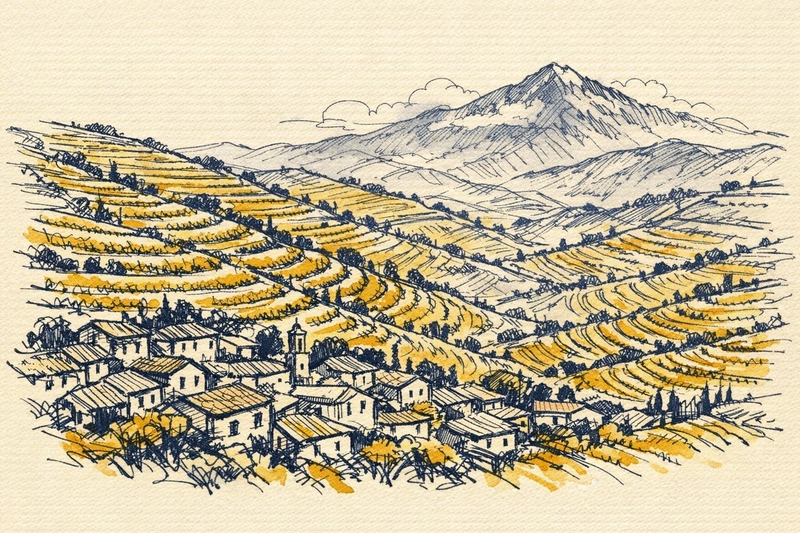
Her er noe som overrasker de fleste besøkende: Commandaria kan kun lovlig produseres i 14 spesifikke landsbyer på sørsiden av Troodos-fjellene. Dette er ikke en løs markedsføringsretningslinje. Det er en BOB-klassifisering (Beskyttet Opprinnelsesbetegnelse), en av de eldste i verden, håndhevet av EU-lovgivning.

Fjorten landsbyer. Det er alt. Hele verdens forsyning av en 4000 år gammel vin kommer fra et stykke åsside du kan kjøre gjennom på en halvtime.
Disse landsbyene ligger mellom 500 og 900 meter over havet, på vulkansk kalksteinsjord som stresser vinstokkene på akkurat den rette måten. Lange, tørre somre med intens sol og kjølige fjellnetter skaper druer med konsentrert sukker og skarp syre. Denne balansen er forskjellen mellom en stor Commandaria og ordinær søtvinn.
Vi har kjørt gjennom de fleste av dem, og hver enkelt gir sitt eget inntrykk. Zoopigi, en landsby på kanskje 200 mennesker perchert på en rygg over Limassol-sletten, føles som hjertet av regionen. Kalo Chorio, litt lenger øst, har en mildere stemning og videre utsikt over dalen. Agios Konstantinos, Laneia, Doros, Monagri: bittesmå, stille steder der terrasserte vingårder ser ut akkurat slik de gjorde for hundre år siden.
Ingen utbyggingspress. Ingen byggekraner. Bare gamle steinhus, kirkeklokker og rader av knokkete vinstokker som klamrer seg til skråninger så bratte at man lurer på hvordan noen i det hele tatt høster dem.
Det som begeistrer oss med Commandaria-vinregionen akkurat nå, er den voksende interessen for uttrykk fra enkeltstående landsbyer. Høyde, eksponering og jordsammensetning varierer nok på tvers av disse åssidene til at en Commandaria fra Zoopigi smaker genuint annerledes enn en produsert fem kilometer unna. Søk disse opp. De avslører noe en blandet flaske aldri kan.
Slik blir solskinn til vin: Fra drue til glass
Vi fulgte tørkeprosessen hos en liten familievirksomhet utenfor Zoopigi, og ærlig talt er det en av de vakreste tingene vi har sett på tjue år på denne øya.
Etter innhøstingen i midten av september spres druene på store matter eller betongplattformer i fullt sol. I løpet av 10 til 15 dager skrumper frukten inn og mister opptil halvparten av vanninnholdet. Løft opp en tørket klase og den føles vektløs, nesten hul. Men klem én av de rosinaktige bærene mellom fingrene, og saften som siver ut er så tykk og søt at den nesten er sirup.
Den konsentrasjonen er hele hemmeligheten.
Innen disse druene presses, flyter musten knapt. Gjæringen er langsom fordi gjæren rett og slett ikke klarer å omdanne alt det sukkeret til alkohol. Commandaria ferdiggjæres med betydelig restsødme og et moderat alkoholnivå, typisk mellom 10 % og 15 %. Ingen tilsatt sukker. Ingen tilsetning av brennevin i den tradisjonelle metoden, selv om noen moderne produsenter fortifiserer. Prosessens tilbakeholdenhet er forbløffende. Solskinn og tålmodighet. Ingenting annet.
Etter gjæringen modner vinen på eikefat i minimum to år. Noen premiumutgaver modnes langt lenger. Noen produsenter bruker et solera-lignende system der yngre vin blandes inn i eldre fat og årganger legges lagvis oppå hverandre.
Åpne en flaske fra et av disse solera-fatene, og du smaker vin som inneholder spor av innhøstinger fra tiår tilbake. Tiår. I glasset ditt. Akkurat nå.
Toner av tørket fiken, rosin, honning, karamell og ristet valnøtt. Tykk, frodig og fullstendig ulik alt du har smakt fra Frankrike eller Italia. Nesten primitiv etter moderne vinmakingsstandarder, og desto mer betagende for det.
 Hvor du kan smake den: Vingårder og kjellere verdt et besøk
Hvor du kan smake den: Vingårder og kjellere verdt et besøk
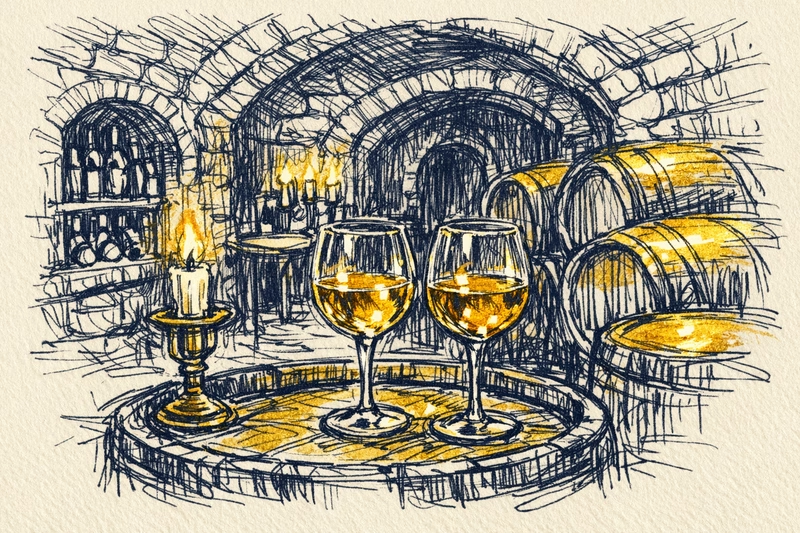
Å smake Commandaria på et vinhus i sitt hjemterroir er en helt annen opplevelse enn å nippe til den på en restaurant i byen. Varmen, vinstokkene utenfor vinduet, fatene stablet i naborommet: konteksten forvandler denne vinen.
Linos Winery i Zoopigi er vår fremste anbefaling. Liten, familiedrevet, med et smakerom bygget av stein og en samling gammelt vinutstyr som fungerer som et uformelt museum. Eieren tar deg gjennom tørke-, presse- og modningsprosessen, og skjenker deretter tre eller fire uttrykk side om side. Deres modne Commandaria, mørk som mahogni, gir en ettersmak som varer et helt minutt.
Spektakulær er ikke helt dekkende.
Ring og bestill plass på forhånd. De tar ikke imot drop-ins i innhøstingssesongen.
Karseras Winery i Kalo Chorio tilbyr en litt mer polert opplevelse, med en smaktserrasse med utsikt over dalen. Deres standard Commandaria er godt priset og tilgjengelig. Er du ny til dessertvin og ønsker en mildere introduksjon før du dykker ned i de intense, modne utgavene, start her.

For deg som bor ved kysten har Limassols gamle bydel flere vinbarer med kuraterte utvalg. Spør på et hvilket som helst seriøst sted på Saripolou eller Genethliou Mitellla Street, og du vil finne minst to eller tre Commandaria-alternativer, vanligvis til fornuftige glass-priser. Bestill den lett avkjølt, ikke romtemperert. Kulden demper sødmen og løfter syren. Stol på oss her.
Og så til matparing. Hopp over sjokoladen.
Prøv heller Commandaria med lagret halloumi, den harde, salte sorten som har ligget i lake i ett år eller mer. Saltet og sødmen gjør noe ekstraordinært sammen. Baklava fungerer utmerket. Søtsaker basert på karobe fungerer godt. Eller hell den rett over is som aperitiff og la den snakke for seg selv. Den trenger ingen hjelp.
Det årlige Commandaria-festivalen, som holdes i produksjonslandsbyene hver høst, samler flere produsenter, livemusikk og tradisjonell mat. Ikke et polert turistarrangement. En landsbyfeiring som tilfeldigvis involverer noe av den fineste dessertvin i Middelhavet. Den distinksjonen er viktig.
Planlegg din Commandaria-reise
Commandaria-landsbyene ligger omtrent 30 til 45 minutter nord for Limassol med bil, noe som gjør Limassol til det naturlige utgangspunktet. Du kan gjennomføre en full vingårdstur som en halvdagstur, være tilbake ved kysten midt på ettermiddagen og tilbringe kvelden med å bearbeide det du har smakt på en terrasse med utsikt over havet.
Paphos fungerer også, særlig om du bor nær Aphrodite Hills, som plasserer deg innen en times kjøring fra de vestlige Commandaria-landsbyene og legger til golf, kysturer og det arkeologiske stedet Kouklia i reiseplanen.

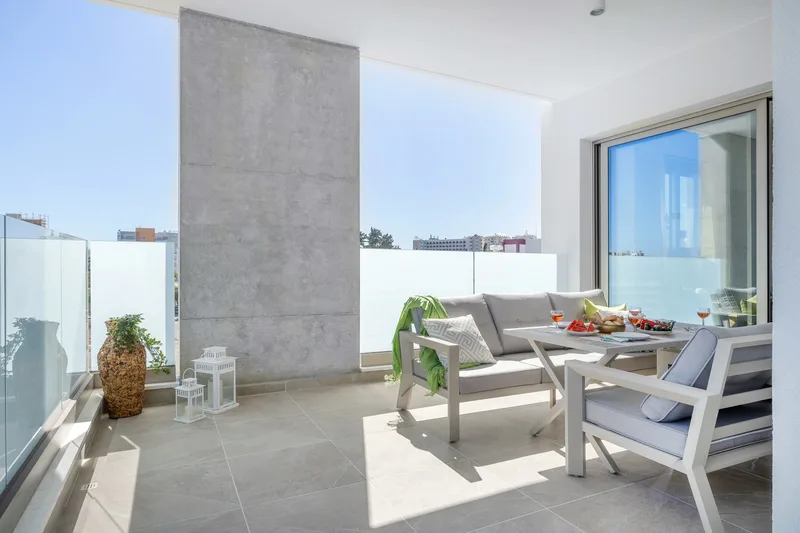
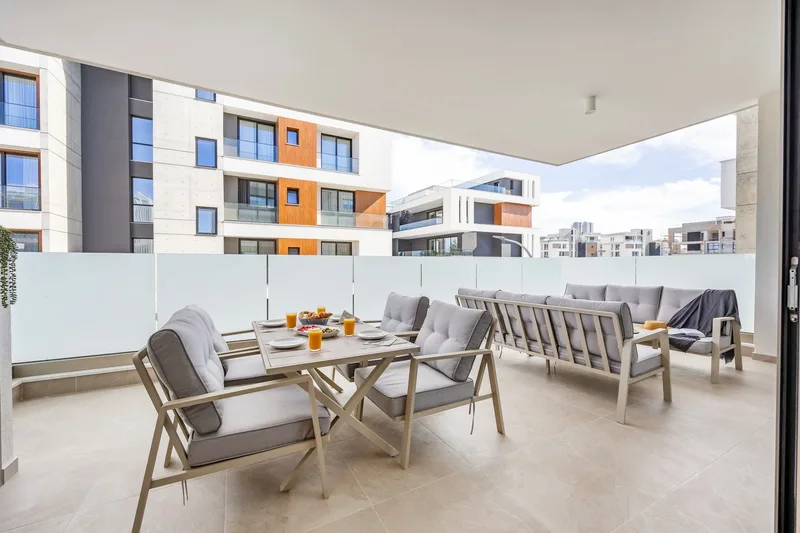
En luksusvilla med privat terrasse forvandler slutten på en vingårdsdag. Du kommer hjem med to flasker kjøpt direkte fra produsenten, åpner en mens solen synker bak Troodos-ryggen, og plutselig forstår du hvorfor denne vinen har overlevd fire tusenår. Det er ikke bare en drikk. Det er en setting, et ritual, en forbindelse til stedet som ingen smakerom hjemme kan erstatte.
Besøker du øya i innhøstingssesongen, september til begynnelsen av oktober, bør du bestille overnatting tidlig. Commandaria-festivalen og druetørkingssesongen overlapper, og de beste overnattingsstedene fylles uker i forveien.
Derfor blir Commandaria med deg hjem
Vi har tatt med flasker hjem fra dusinvis av reiser. Commandaria er den folk alltid spør om. Den tåler reisen godt, oppbevares enkelt, og starter samtaler som ingen Rioja eller Prosecco noen gang vil gjøre.
Det som begeistrer oss mest akkurat nå, er den nye bølgen av småprodusenter som eksperimenterer med enkeltlandsby-utgivelser og forlenget modning. Commandaria ble i mange år behandlet som en kuriositet, en søt raritet kjøpt på flyplassen og glemt i en skuff. Det er i ferd med å endre seg raskt. Unge kypriotiske vinmakere tar den på alvor, og kvalitetsgapet mellom de beste og resten øker for hver innhøsting.
Vi må være ærlige: ikke alle flasker er gode. Masseproduserte utgaver solgt til supermarkedspriser kan være kvelende søte og endimensjonale. Søk opp de små merkevarene. Spør på vinhusene. Kjøp flasken som koster tre ganger supermarkedsversjonen. Forskjellen er ikke subtil.
Å smake Commandaria på Cyprus, i sitt hjemland, omgitt av vingårdene og landsbyene som produserer den, er noe som fester seg lenge etter at solbrunfargen har bleknet. Varmen, lyset, lukten av tørr jord og harpiks som siger ned fra Troodos-åssidene: disse blir en del av selve smaken.
Kjør inn i Commandaria-åssidene, sett deg på en vinhusterrasse, og smak hva nesten fire tusenår med ubrutt tradisjon legger i et glass. Det finner du ingen andre steder på jorden.