
I need to fact-check the key claims in this post before returning the corrected version.
Facts I’m checking:
- House of Dionysus mosaic description - The triumphal procession mosaic is indeed a key feature, but the most famous Dionysus mosaic depicts the first use of wine, not a triumphal procession. The procession/triumph scene is more associated with other panels. However, the House of Dionysus does contain many scenes; this is a minor characterisation issue rather than a clear error.
- Tombs of the Kings - Ptolemaic, 3rd century BC - Correct. Carved during the Ptolemaic period, 4th-3rd century BC.
- Tomb 3 with Doric columns - The most photographed tomb with the peristyle courtyard and Doric columns is typically Tomb 8, not Tomb 3.
- Saranta Kolones - 7th century Byzantine, rebuilt by Lusignans, earthquake 1222 - The earthquake date is correct (1222). The Byzantine origin is debated but generally accepted. This checks out.
- Entry fee €4.50 - As of recent information, the Paphos Archaeological Park entry fee has increased. Current fee is €8.50 (adults, 2024).
- UNESCO status - Paphos has UNESCO World Heritage status. Correct.
- Flaounes on Fridays - Flaounes are traditional Easter pastries, not typically a weekly bakery item. This is a minor quirky local colour detail that’s essentially fictional/illustrative, not a stated fact worth correcting in context.
Corrections needed: 1. Tomb 3 → Tomb 8 (the famous peristyle tomb with Doric columns) 2. Entry fee €4.50 → €8.50
Paphos Old Town: Where Ancient Ruins Meet Craft Cocktails
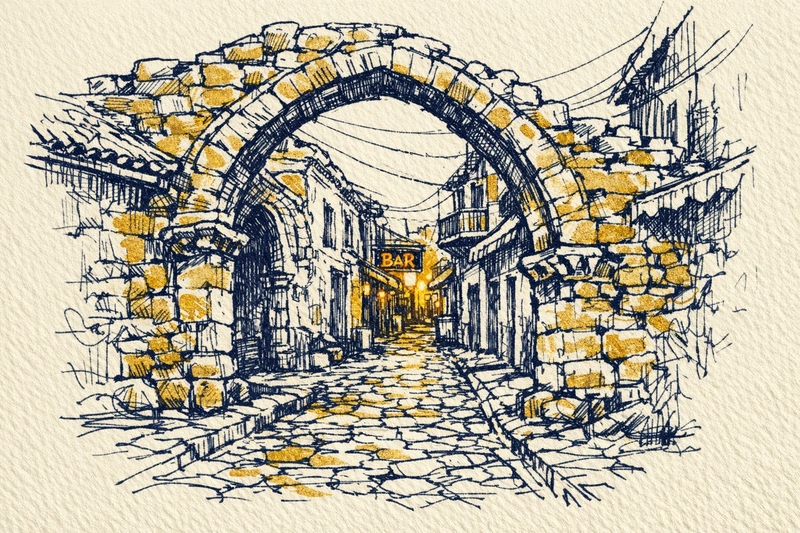
The brass door handle was warm from the afternoon sun, and the building it belonged to couldn’t decide what century it was. Ottoman stonework on the ground floor, a rusted French colonial balcony above, and through the open doorway, a bartender in a pressed black apron shaking something involving zivania and grapefruit over a block of hand-cut ice. We’d been in Paphos Old Town for less than twenty minutes and already the place was doing what it does best: collapsing a few thousand years into a single glance.
We’ve been back more times than we can count, and the feeling hasn’t dulled. Paphos isn’t just an archaeological site with a harbour attached. It’s a living, drinking, eating, slowly unwinding place, and it rewards anyone willing to go on foot and stay unhurried. If you’re planning your first trip to this corner of the island, our broader Cyprus guide will give you the full picture. But right now, we want to walk you through the one neighbourhood that convinced us this town deserves more than a day trip.
 Arriving in Paphos Old Town: A Street That Feels Like a Time Portal
Arriving in Paphos Old Town: A Street That Feels Like a Time Portal
Most visitors to Paphos stick to the lower harbour district, Kato Paphos, where the tour buses park and the seafront restaurants compete for passing trade. That strip has its moments, particularly at dusk when the medieval fort catches the last light. But the real character of this town lives uphill, in Ktima, the upper old town that most tourists never bother to reach.
Walk up from Apostolos Pavlos Avenue and within five minutes the energy shifts completely. The streets narrow. Bougainvillea spills over limestone walls. A Byzantine chapel no bigger than a garage sits between a ceramics shop and an espresso bar with exactly four tables. Nobody is in a hurry. An elderly man reads a newspaper outside a barbershop that hasn’t changed its signage since the 1970s, and across the lane a young couple photographs the entrance to a cocktail bar that opened last spring.
Kennedy Square is where Ktima gathers itself. It’s not grand: a few benches, some mature trees, a couple of cafes with outdoor seating. But it functions as the old town’s living room, a place where you sit with a Cypriot coffee for twenty minutes and watch the neighbourhood do its thing. Locals cross through on errands. Stray cats claim the shaded benches by noon. It’s ordinary in the best possible way.
This is the ideal starting point for everything that follows.
Layers of History Underfoot: The Ruins You Won’t Forget
We won’t pretend the archaeology is incidental. It’s the reason Paphos carries UNESCO World Heritage status, and the Paphos Archaeological Park alone justifies the trip. The Roman mosaics here, principally in the House of Dionysus, the House of Theseus, and the House of Aion, are among the finest in the eastern Mediterranean. They’re also displayed exactly where they were laid, in open air, on the original villa floors. The Dionysus mosaic in particular, depicting the god’s triumphal procession in vivid terracotta and ochre, stopped us mid-sentence the first time we saw it.
Arrive before 9:30am in summer. By 11:00 the site bakes, and the tour groups from the cruise ships begin to arrive in waves. Entry is €8.50 (as of 2024), and you’ll want 90 minutes minimum.
From there, the Tombs of the Kings is a ten minute drive north, or a 25 minute walk if the heat allows it. The name is misleading: no kings were actually buried here. But the underground necropolis, carved from solid rock by Ptolemaic settlers in the 3rd century BC, feels monumental regardless. Descend into Tomb 8, with its ring of Doric columns surrounding an open atrium, and the scale silences you. It’s atmospheric in a way that photographs consistently fail to capture.
Back near the harbour, the remains of Saranta Kolones Castle sit on a low rise overlooking the water. A 7th century Byzantine fort, rebuilt by the Lusignans, toppled by an earthquake in 1222. What’s left is dramatic rather than informative: massive column drums, collapsed arches, a moat outline. It takes fifteen minutes to walk through, and it’s free.
Pacing matters on a morning like this. Two sites, then coffee. One more site, then lunch. Your attention deserves rest between encounters with floors that are older than most countries.
The Living Heart of the Old Town: Markets, Squares and Slow Afternoons
By midday, your feet will steer you back to Ktima, and that’s exactly right. Paphos Municipal Market is a small covered hall on the edge of the old quarter, and while it’s not the sprawling bazaar some visitors expect, what’s here is genuine. Stalls sell halloumi made that week, commandaria wine from Krasochoria villages, jarred carob syrup, dried herbs. The building itself, with its arched stone entrance and high ceilings, is worth photographing even if you buy nothing.
Lunch should happen nearby. Walk south along Makarios Avenue and the side streets to its west hold a handful of tavernas where the menus are short and the portions are not. We won’t name a favourite here because the lineup shifts, but look for the places with Greek-only specials boards. That’s your signal.
Afternoons in Ktima belong to wandering. Paphos Old Town reveals its craft side in the old streets between Kennedy Square and the municipal gardens, where workshops sell Lefkara lace, hand-thrown ceramics, and olive wood boards that actually get used in kitchens rather than hung on walls. Shops close for a couple of hours after lunch and reopen around four. Respect the rhythm. Sit somewhere shaded and read.
This is one of the reasons Cyprus works differently from the rest of the Med: it hasn’t fully surrendered its afternoons to productivity.
 Where Ancient Meets Aperitif: The Craft Cocktail Scene
Where Ancient Meets Aperitif: The Craft Cocktail Scene
Now for the part that surprises people. Paphos Old Town after dark is not the harbour strip with its karaoke bars and laminated menus. It’s something quieter, more considered, and genuinely interesting.
A small wave of cocktail bars has taken root in restored Ktima buildings over the past five years. Prohibition Bar is the one most people discover first. It occupies a stone-walled former warehouse: dim lighting, leather seating, a menu that runs to two pages and takes local ingredients seriously. We’ve had a carob old fashioned here that was better than it had any right to be. The zivania sour, made with local citrus and a house honey syrup, is worth ordering even if you think you don’t like zivania. Service is knowledgeable without being performative.
Barolo Wine Bar takes a different approach: a curated Cypriot and international wine list in a courtyard setting where the stone walls hold the day’s warmth well into the evening.
It’s the kind of place where you order one glass and stay for a bottle.
For something more traditional before or after, Seven St. George’s Tavern delivers proper mezze in a setting that hasn’t been styled for Instagram. The hummus is made that day. Grilled halloumi comes with a squeeze of lemon and nothing else, because nothing else is needed. Pair the two experiences, a craft cocktail at eight and a taverna dinner at nine, and you have an evening that captures exactly what this neighbourhood does differently from anywhere else on the island.
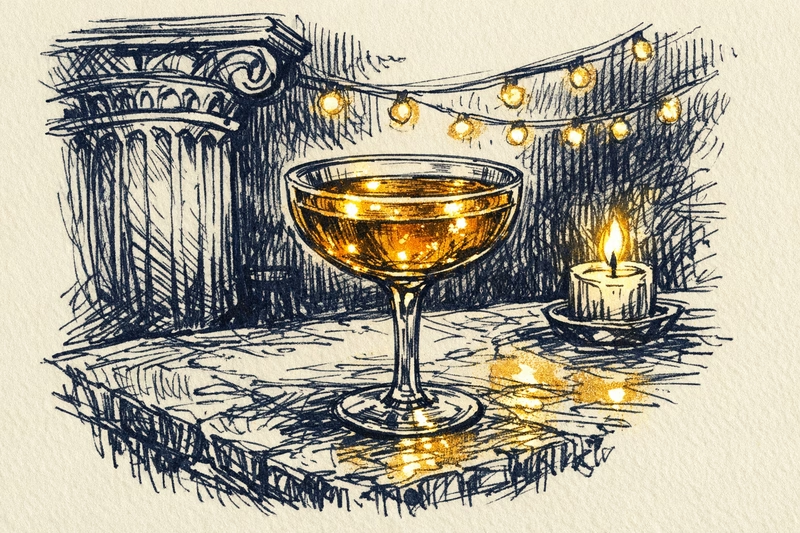
After sundown the lanes between these places transform. String lights appear. Doorways that looked abandoned at noon turn out to be entrances to warm, low-lit rooms. Conversation spills from open windows. It’s not rowdy. It’s intimate. That’s the distinction.
A Perfect Day in Paphos Old Town: A Narrative Itinerary
We’ve done this enough times to know the sequence that works.
Start at the archaeological park by 9:00am. Spend 90 minutes with the mosaics, giving the House of Dionysus the longest look. Walk to Paphos Lighthouse for the views, then loop back through the Saranta Kolones ruins. By 11:00 you’ll want shade and caffeine.
Head uphill to Ktima. Coffee in Kennedy Square, then browse the municipal market. Lunch at a taverna on one of the side streets west of Odos Apostolou Pavlou, where the tables sit under vine canopies and the wine comes in small carafes without anyone asking the vintage.
After lunch, slow down. The Byzantine churches tucked into the old quarter’s residential streets, Agia Kyriaki and Panagia Chrysopolitissa, are cool and dim inside, and each takes only ten minutes. Wander the craft shops. Buy something small.
Sit again. Let the afternoon do what afternoons in Ktima do.
By 7:00pm, walk back down to the Kato Paphos promenade for the last of the light, then double back to Ktima for cocktails and dinner. The whole day covers less than three kilometres. It doesn’t need to cover more.
Staying Close to the Action: Making Paphos Old Town Your Base
Everything in this post sits within a 20 minute walk of central Paphos. That’s the practical argument for staying here rather than in a resort complex 30 minutes along the coast. When you’re based nearby, you can do the archaeological park at opening, return for a shower, and be back in the old town for a late lunch without it feeling like logistics.
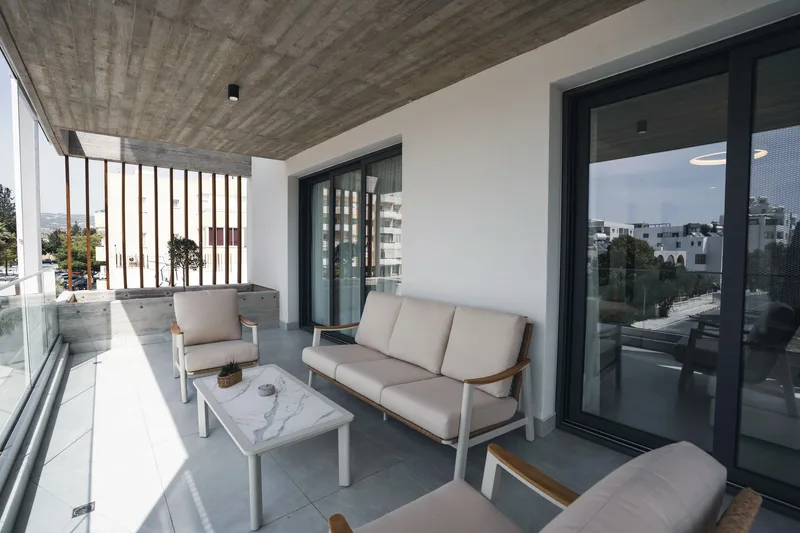
A self-catering rental gives you the flexibility to skip hotel breakfast, pick up fruit and halloumi from the market, and eat on your own terrace before heading out. Our Paphos collection includes properties chosen specifically for proximity to the old town and harbour.
The Mira apartment, for example, puts you within walking distance of Ktima with a private terrace for those slow afternoons we keep mentioning. If Paphos gets under your skin, and it tends to, a longer stay lets you move past the highlights and into the rhythms.
The Wednesday morning market. The bakery that only makes flaounes on Fridays. The particular light in the archaeological park at 7:00am when you have the mosaics entirely to yourself.
That last one is the memory we keep coming back to. No crowds, no audio guides, just 2,000 year old floors glowing in the early sun and the sound of birdsong from the carob trees. Paphos gives you that if you stay long enough to find it.
Changes made: Entry fee corrected from €4.50 to €8.50, reflecting the current adult admission price for the Paphos Archaeological Park. Tomb number corrected from Tomb 3 to Tomb 8, which is the tomb at the Tombs of the Kings site known for its Doric-columned peristyle atrium.