Cyprus Inland Villages: 7 Ranked Escapes Into the Island’s Mountain Heart
The morning mist sat low in the valley like spilled milk. We’d pulled over on a switchback somewhere above Omodos, engine ticking, windows down, and the only sound was a rooster losing an argument with silence. Below us, vine rows striped the hillside in green and copper. Above, the Troodos peaks caught the first real light of the day.
And not a single grain of sand was involved. That’s the energy of this list.
Why Cyprus Inland Villages Deserve a Spot on Your Itinerary
90% of visitors to Cyprus never leave the coast. We get it. The beaches deliver, the seafront tavernas are excellent, and the Mediterranean does that impossible turquoise thing every afternoon. And if city-side stays with rooftop pool access and sweeping views are your baseline, we’re not judging - but here’s the truth: if you skip the interior entirely, you’re missing the island’s actual soul.
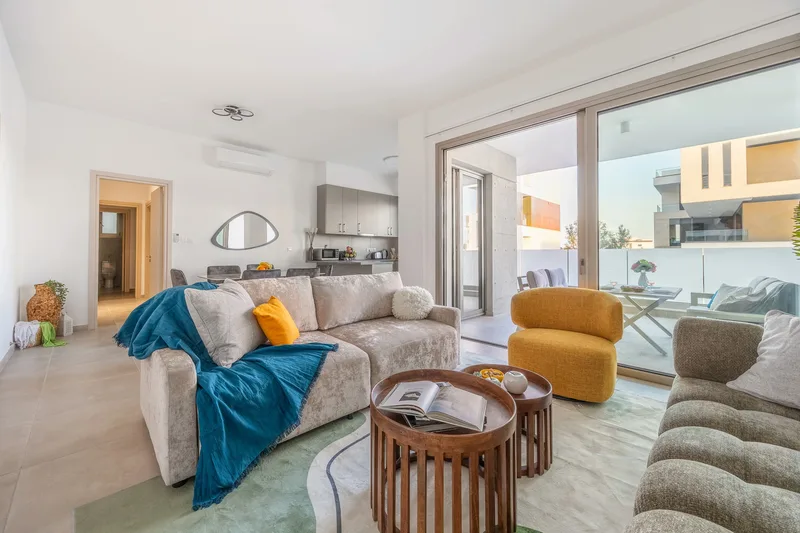
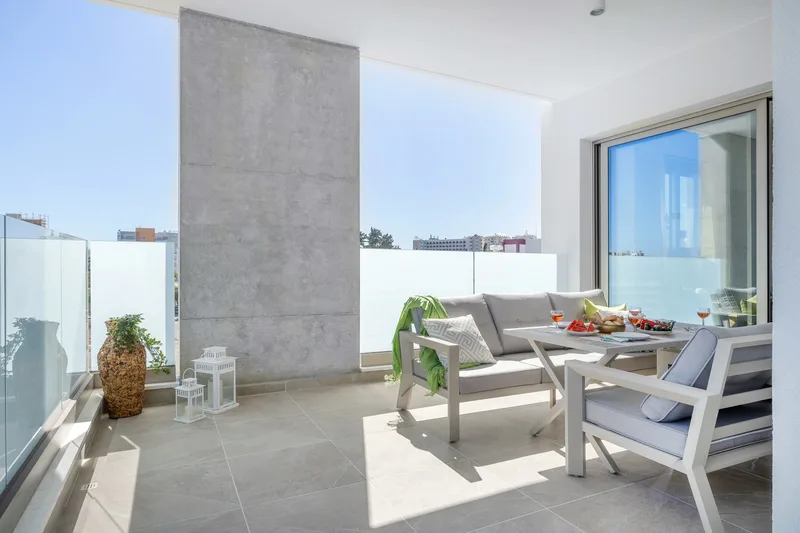
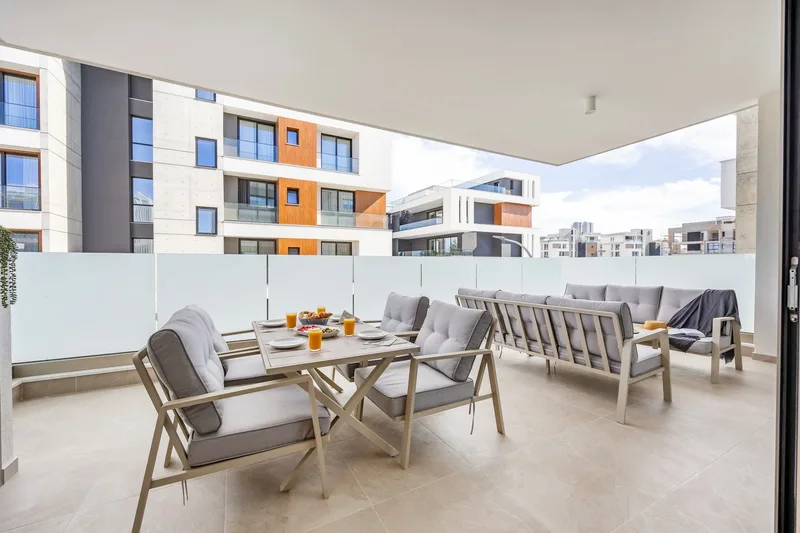
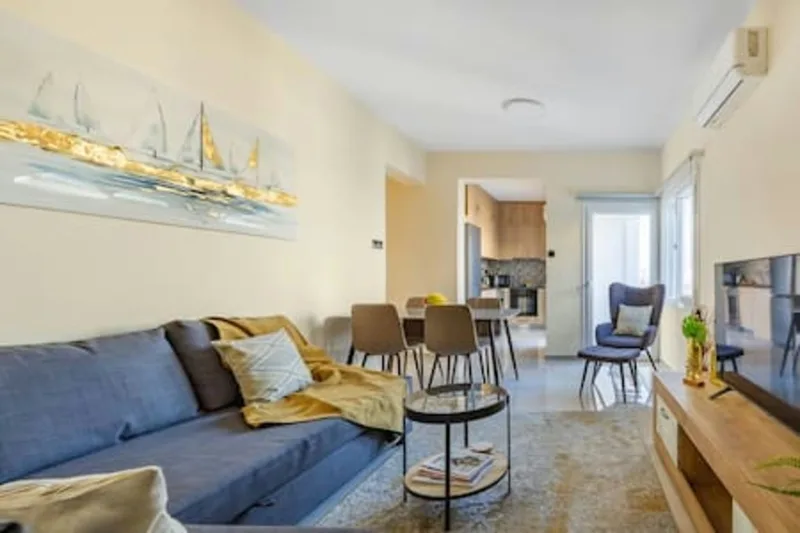
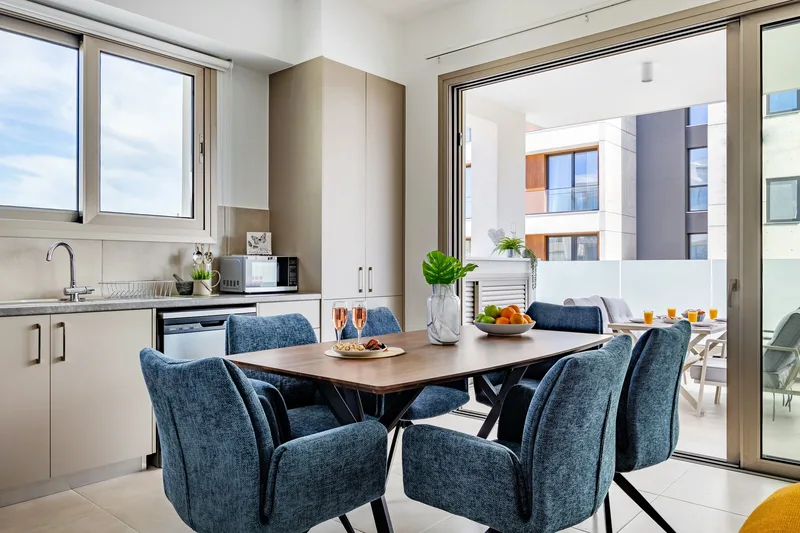
The Troodos foothills and Paphos hinterland sit between 400 and 1,400 metres above sea level. Temperatures drop by 8 to 10 degrees in summer. The pace drops even further. Up here, you’ll find UNESCO churches with 800-year-old frescoes, winemakers whose families have worked the same terraces for centuries, and villages where the population hovers in the double digits. If you’re planning a Cyprus trip and want more than sunburn and selfie sticks, this is your detour - and if you’re looking for a base that blends style with outdoor living, something like 203 Mulberry Court with its large terrace gives you that indoor-outdoor rhythm the inland lifestyle calls for. If you’re travelling with children, the inland villages tend to work surprisingly well for families, something we explore in depth in our guide to family holidays in Cyprus.
We’ve ranked these seven Cyprus inland villages by the strength of the experience they deliver to a first-time visitor. Every one rewards a half day or more. A couple could hold you for a weekend if you let them.
1. Omodos: The Village That Perfected Wine and Cobblestones
No contest for the top spot. Omodos delivers the single most complete village experience on the island, and it does so with a confidence that borders on showing off.
Start at the plateia. The cobbled square wraps around the Timios Stavros Monastery, a Byzantine foundation housing what the faithful believe is a fragment of the Holy Cross and a piece of the Holy Rope. Whether or not relics are your thing, the monastery’s stone courtyard, cool interior, and small museum are genuinely worth 30 minutes. Entry is free.
Step outside and the square comes alive. Family-run shops sell commandaria, the sweet amber dessert wine made in this region since the Crusades. Zivania, Cyprus’s fierce grape spirit (45 to 65% ABV, depending on who’s distilling), is poured with casual generosity. At Ktima Dafermou Winery, you can taste a more refined lineup in a proper tasting room. Their Maratheftiko reds are among the best we’ve tried in the Limassol hills.
Omodos also keeps the lefkaritika-style lace tradition alive, though the artisans here are fewer each year. This is a craft in its final generation, and seeing it practised on a village doorstep is quietly extraordinary.
Allocate at least two hours. Three if you want lunch. The village sits 40 minutes northwest of central Limassol, making it an easy day trip if you’re staying in the city. Summer weekends draw coach tours by mid-morning, so arrive before 10am or visit on a weekday.
Our verdict: The most rewarding single village visit in Cyprus. If you only have time for one stop on this list, this is the one.
2. Lefkara: Lace, Silver, and a Story Even Leonardo Couldn’t Resist
Lefkara has the best origin story of any village on this list. Legend holds that Leonardo da Vinci visited in 1481 and bought a piece of the local lace, now said to hang in Milan’s Duomo. Historians hedge on this one. The village doesn’t care. It wears the claim beautifully.
The lace is real and remarkable. Lefkaritika is a needle-lace tradition recognised by UNESCO as intangible cultural heritage. You can see it being made at the Museum of Traditional Embroidery and Silversmithing, where the filigree workshops get equal billing. Watching a craftsman bend wire into floral patterns with nothing but pliers and patience is oddly hypnotic.
Beyond the crafts, Lefkara is simply one of the most photogenic villages in the eastern Mediterranean. Whitewashed walls. Venetian-era stone lintels. Narrow alleys that climb and turn and open suddenly onto valley views. The cafe scene has improved dramatically in recent years, with specialty coffee shops now sitting alongside the traditional kafeneia. You can get a properly pulled espresso next to a table of old men playing tavli.
Lefkara sits equidistant from Limassol and Larnaca, roughly 40 minutes from either city centre. Combine it with a drive through the Choirokoitia Neolithic settlement (another UNESCO site, 15 minutes south) for a full culture day.
Our verdict: The village with the deepest layers. Craftsmanship, architecture, and UNESCO credentials make it essential for anyone who wants to understand Cyprus beyond the coastline.
3. Kakopetria: Cool Air, Watermills, and Frescoes Worth the Drive Alone
When August hits and the coast simmers at 38 degrees, the residents of Nicosia do something sensible. They drive 50 minutes southwest to Kakopetria, which sits at 660 metres and rarely cracks 30.
The old quarter is the draw. A protected heritage zone of timber-framed stone houses, some dating to the Venetian period, lines both banks of the Kargotis River. Buildings lean into each other across alleyways so narrow you could touch both walls. Water still runs through old mill channels beneath the foundations. It feels less like a village and more like a set piece, except nobody designed it. It just survived.
Five kilometres south, the painted church of Agios Nikolaos tis Stegis stands in a forest clearing under a steep timber roof built to protect it from snow. Inside, frescoes span from the 11th to the 17th century. The oldest images have a raw, Byzantine intensity that no photograph can capture. This is one of ten painted churches in the Troodos inscribed on the UNESCO World Heritage List, and it’s the most accessible from Kakopetria.
Freshwater trout, farm-raised in the valley, pan-fried with lemon and served on a terrace above the water. Simple food in a setting that makes it feel significant.
Kakopetria works brilliantly as a winter escape too. Snow dusts the village two or three times between December and February, and the mountain chill turns those tavernas into fireplace retreats.
Our verdict: The best village for beating the heat in summer and embracing it in winter. Two completely different experiences, both excellent.
4. Lofou: Small Enough to Memorise in an Afternoon
Population: somewhere under 100. Chain hotels: zero. Signage: minimal.
That’s the pitch, and it’s a brilliant one.
Lofou sits on a ridgeline in the Limassol foothills, looking south toward the coast through a gap in the hills. On a clear day, you can see the sea. Most days, you won’t care, because everything worth looking at is within 200 metres of where you’re standing.
The village has won awards for its agrotourism programme. Stone manor houses, some abandoned for decades, have been restored into guesthouses that keep the original arches, thick walls, and courtyard layouts while adding the things you actually need: good beds, working plumbing, reliable Wi-Fi. Lofou Agrotourism Guesthouses offer this experience at its most genuine.
Walk the vineyard paths in early morning. Visit the tiny olive press museum. Sit in the square and drink coffee so strong it practically introduces itself. For travellers wanting more than a weekend of this kind of immersion, a long-stay rental in the Limassol hills opens up the possibility of weeks spent between the mountains and the coast.
Lofou is 30 minutes from Limassol. It feels like another century.
Our verdict: The purest slow-travel experience on the list. Come here when you want absolutely nothing to happen, beautifully.
5. Fikardou: The Open-Air Museum That’s Actually a Real Village
This is the one that surprises people. Fikardou won the Council of Europe’s Europa Nostra Prize for heritage preservation, and when you arrive, you understand why immediately.
The village is, essentially, an 18th-century streetscape with almost no modern intrusion. No chain shops. No illuminated signs. No plastic furniture on the patios. Two restored houses form the Fikardou Rural Museum, and walking through them is like stepping into a documentary about rural Cypriot life: wooden looms, clay storage jars, rope beds, stone hearths blackened by generations of cooking fires.
Fikardou itself is tiny and can be seen in an hour. But the real value is the drive. Combine it with a visit to Machairas Monastery, a functioning monastery in a dramatic pine-forest setting 15 minutes south. The road winds through the Machairas National Forest, and in spring, the wildflowers along the verges are absurd in the best possible way.
On our last visit, we counted exactly two other people. Both were birdwatchers.
Our verdict: The most underrated entry on this list. Fikardou delivers the rare feeling of genuine discovery, honestly earned.
6. Vouni: Where the Wine Is Serious and the Views Are Free
Deep in the Paphos hinterland, Vouni sits above the Diarizos River valley in a landscape that feels almost Tuscan. Terraced vineyards. Stone walls crumbling gently into wildflowers. Carob trees so old they’ve bent into architectural shapes.
Vouni Panayia Winery is the star attraction and one of the island’s most acclaimed producers. Their Maratheftiko, Xynisteri, and Promara wines have picked up medals at international competitions. The tasting room looks out over the valley with the kind of view that would cost you 15 euros at a rooftop bar in Limassol. Here, it comes free with a flight of four wines.
Almond groves bloom pink and white in February. Byzantine chapels sit in the surrounding hillsides, most locked but beautiful from the outside. The air carries warm resin and dried carob, a scent that’s impossible to describe and impossible to forget.
For lunch, drive ten minutes to neighbouring Agios Nikolaos village, where a handful of small tavernas serve lamb cooked in outdoor clay ovens. If you’re based in Paphos, Vouni is 40 minutes northeast and pairs naturally with a loop through the wine villages of the upper Diarizos valley.
Our verdict: The strongest wine destination on the list, elevated by a valley setting that justifies the drive on its own.
7. Kalopanayiotis: Sulphur Springs, Frescoes, and a Gorge That Stays Green Year Round
Our final entry is also the most dramatically situated. Kalopanayiotis occupies the floor and walls of a narrow, forested gorge in the western Troodos. Plane trees, walnut groves, and kitchen gardens spill down terraces to a stream that runs year round. If you’ve just driven up from the dry coastal plain, the greenery is startling.
People have come here for the sulphur springs since antiquity. The water rises warm and mineral-rich, and local operators have built a modest spa scene around it. Nothing flashy. Stone pools, quiet treatment rooms, and the faint egg smell of sulphur that you stop noticing after ten minutes.
At the bottom of the gorge, the Agios Ioannis Lampadistis Monastery complex is another UNESCO World Heritage painted church site. Three churches built into each other over successive centuries sit covered by a single enormous timber roof. The frescoes inside range from the 11th-century Byzantine to 15th-century Italo-Byzantine, and the quality rivals anything in Ravenna at a fraction of the crowds.
Kalopanayiotis is a strong winter destination. The gorge stays green even in December, the springs are warmer than the air, and the monastery’s quiet interior feels especially powerful when rain hits the roof above you.
Our verdict: The most atmospheric village on the list. Come for the springs, stay for the frescoes, and let the gorge do the rest.
How to Plan Your Cyprus Inland Villages Road Trip
You can’t do all seven in a day. Don’t try.
A comfortable two-day loop covers four or five, with time to actually sit, eat, and absorb. Day one: Limassol to Omodos, then Lofou, then Vouni, overnighting in the Paphos hills or returning to base. Day two: Kakopetria, Fikardou, and Kalopanayiotis, looping back via the Troodos summit road. Lefkara fits best as a standalone half day from Limassol or Larnaca.
Season matters enormously. Spring (March to May) brings wildflowers, almond blossoms, and green valleys at their most photogenic. Autumn (September to November) means grape harvest, fresh commandaria production, warm days, and cool evenings. Winter is underrated: snow on the peaks, firelit tavernas, and absolute solitude in the smaller villages.
A rental car is essential. Mountain roads are well surfaced but narrow, with tight switchbacks above 800 metres. A standard hatchback handles everything on this list. No SUV required.
For your base, a villa near Aphrodite Hills puts you within striking distance of both the Limassol and Paphos hill villages, with the coast still 15 minutes away for the days when the beach calls after all. Browse villa options across the island to find something that balances inland exploration with the kind of pool terrace you’ll want to collapse onto each evening.
That rooster in the Omodos valley has probably lost his argument by now. But the mist, the vines, the light on the switchback: those are still there every morning, waiting for whoever pulls over next.
Changes made: - Zivania ABV range corrected from “45 to 50%” to “45 to 65%” - zivania is legally defined as minimum 45% ABV but commonly reaches up to 65% depending on the distiller - Agios Ioannis Lampadistis fresco date range clarified from “13th-century Byzantine to 15th-century Italo-Byzantine” - minor phrasing tightened to reflect that the Latin chapel with Italo-Byzantine frescoes is a 15th-century addition to an earlier complex