
Winter Sun in Cyprus: Why January Beats August for the Smart Traveller
You’re planning your Cyprus holiday for the wrong season. Most of Europe shivers under a grey lid of cloud, counting the weeks until spring. You could step off the plane at Paphos International in a light jacket, hit by 18°C air and that coastal gold light that makes you squint and smile at the same time.
Nobody prepared you for this. That’s the thing about winter sun in Cyprus: the people who’ve experienced it don’t talk about it much. They just keep coming back.
We’ve spent every winter on this island for the past two decades. Every January still catches us slightly off guard. Not because the weather surprises us anymore, but because the emptiness does. Roads fall quiet. Paphos Harbour has room to breathe. The Limassol promenade belongs, briefly, to the people who actually live here.
It’s a different island in winter. Arguably, it’s the better one. And we can prove it.
What the Weather Actually Looks Like From November to March
Here’s the part that changes minds: real numbers.
November averages 20°C on the coast with around 7 hours of sunshine daily. December drops to 17°C, still comfortable in a long sleeve, with roughly 6 sunshine hours. January is the coolest month, sitting at 15 to 17°C. February starts the climb back up. By March you’re looking at 19 to 20°C with 8 glorious hours of sun. Cyprus gets more winter sunshine than anywhere else in the EU. That’s not marketing copy. That’s meteorological data.
It should change how you think about booking.
Rain does happen. December and January bring around 80mm each, spread across perhaps 10 rainy days per month. But those numbers miss the real story. It rains hard, it stops, and then the sky cracks open to that impossible blue again. A full grey week is genuinely rare.
And the rain transforms the landscape in ways that will stop you mid-stride. From December onward, the Akamas Peninsula turns green and wild. Waterfalls flow through gorges that are bone dry in summer. Up in the Troodos Mountains, snow caps the peaks from January. You can ski at 1,900 metres in the morning and sit on a sunny coastal terrace by late afternoon. Name another island in Europe where that’s possible.
We’ll wait.
Empty Ruins, Flamingo Lakes, and the Joy of Having Places to Yourself
This is the part that genuinely excites us.
Walk into Kato Paphos Archaeological Park (UNESCO World Heritage Site, entry €4.50) on a Tuesday morning in February. You’ll have Roman mosaics from the 3rd century AD practically to yourself. July means queuing behind tour groups and baking on exposed paths. February means standing alone in the House of Dionysus, hearing nothing but birds.
Same site. Same entry fee. Completely different experience.
Omodos village in the Troodos foothills tells its own version of this story. Summer brings coach parties that crowd the tiny square for 40 minutes before moving on. Winter brings empty cobblestone lanes, smoke drifting from a taverna chimney, and the local winery owner pouring tastings with no rush and no queue. You have a real conversation. You learn something. That’s what travel is supposed to feel like.
Down at Larnaca Salt Lake, thousands of flamingos arrive between November and March. Thousands. They wade through shallow pink water in shifting formations. On a still morning, the reflection doubles them against the sky. Most visitors to Cyprus have absolutely no idea this happens.
We’re still amazed by it every single year.
Prices drop accordingly. Return flights from London or Berlin in January often come in at half the July fare. A villa commanding 300 euros per night in August might run 120 to 150 in January. Restaurants don’t change their menus or their prices, but they give you better tables and longer conversations. Winter sun in Cyprus isn’t just more peaceful. It’s dramatically better value.
What to Actually Do: A Winter Itinerary That Feels Like a Gift
Start with what summer won’t let you do. Hike properly.
Avakas Gorge on the Akamas coast is one of the finest short gorge walks in the Mediterranean. Limestone walls rise 30 metres above a narrow riverbed. August heat makes it punishing. January coolness transforms it entirely: the stream runs ankle deep, the air is fresh, and the light filtering through the canyon walls is extraordinary. Wear proper shoes. Allow 90 minutes for the return walk.
For golfers, winter is genuinely prime time. Aphrodite Hills Golf Course (rated among the top 100 in Europe by Golf World) has fairways at their greenest and tee times you can actually book without planning weeks ahead. A winter golf trip to Cyprus at Aphrodite Hills costs a fraction of the high season rate. Our full Cyprus travel guide covers more activity planning in detail.
Limassol’s wine village route deserves its own trip. A string of Troodos foothill villages where small producers open their doors through the cooler months. Commandaria, the island’s ancient sweet wine, comes alive in these cellars. So does Maratheftiko, Cyprus’s indigenous red grape that’s finally getting the attention it deserves. Tasting these wines where they’re made, with the winemaker standing next to you, is worth any detour.
Nicosia’s old town adds another dimension entirely. Europe’s last divided capital is compelling in any season, but winter strips away the tourist veneer. Street art in the buffer zone. Cafes buzzing around Faneromeni Square. Büyük Han on the northern side with its quiet courtyard and artisan shops. Every corner rewards a slow wander.
Why a Longer Winter Stay Changes Everything
Here’s where winter sun in Cyprus shifts from a good holiday to something more significant. And honestly? This is what we’re most excited to tell you about.
Monthly rentals unlock a completely different rhythm. You stop rushing between sights and start living somewhere. Morning coffee becomes a ritual. You find your bakery, your fruit stall, your evening walk. Long stay options in Cyprus have grown substantially in the past five years. Remote workers and retirees have figured out that a month in a sea view villa costs less than a month of heating bills back home.
Paphos Old Town has become a quiet magnet for this crowd. Reliable fibre internet, walkable streets, weekly farmers’ markets. A creative community small enough to feel welcoming from week one. Along the coast in Agios Tychon, the vibe is more residential and polished. Think luxury villas with private pools that make working from a laptop feel less like compromise and more like reward.
Families choosing Cyprus winters over package breaks is a trend we love seeing. Especially those with school age flexibility or pre-school children. Slower pace, lower costs, and kids who actually interact with the place rather than just the pool. That’s a holiday worth remembering.
Paphos or Limassol: Picking Your Winter Base
Two cities dominate the winter conversation. Pick the one that fires you up.
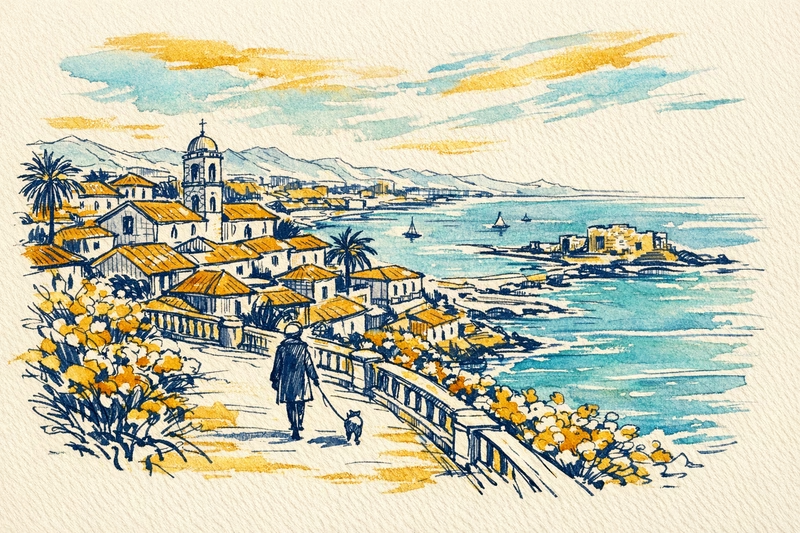
Paphos is the quieter, more characterful option. Harbour walks, the archaeological park, coastal paths stretching toward Coral Bay. Proximity to Akamas makes it ideal for hiking. Aphrodite Hills sits just 20 minutes east for golf. Stand at Paphos Harbour on a February evening. Fishing boats bobbing, the medieval fort lit from below. Tell us that isn’t one of the most atmospheric spots on the Mediterranean. Go on.
Limassol is bigger, livelier, and unashamedly cosmopolitan. Limassol Marina stays active year round. Restaurants and bars don’t shut down when October arrives. Food runs deep here. If you want cultural events, a serious coffee shop circuit, and urban energy alongside your winter sunshine, Limassol delivers without breaking stride.
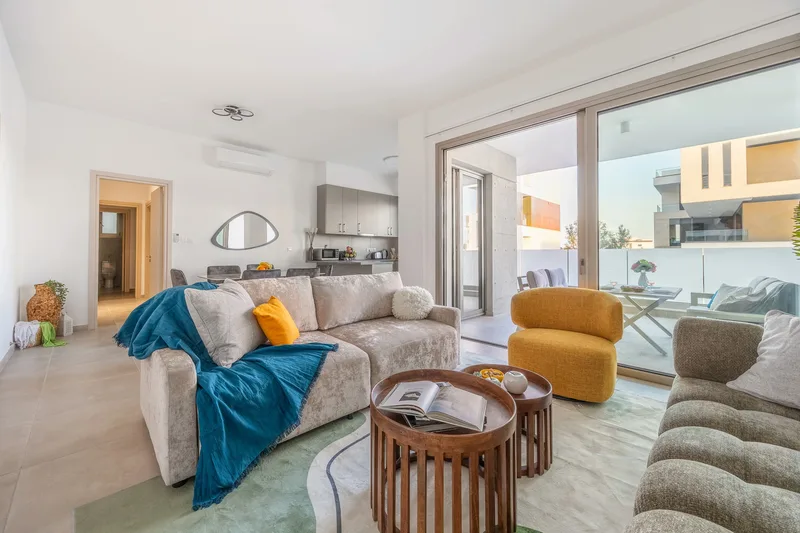
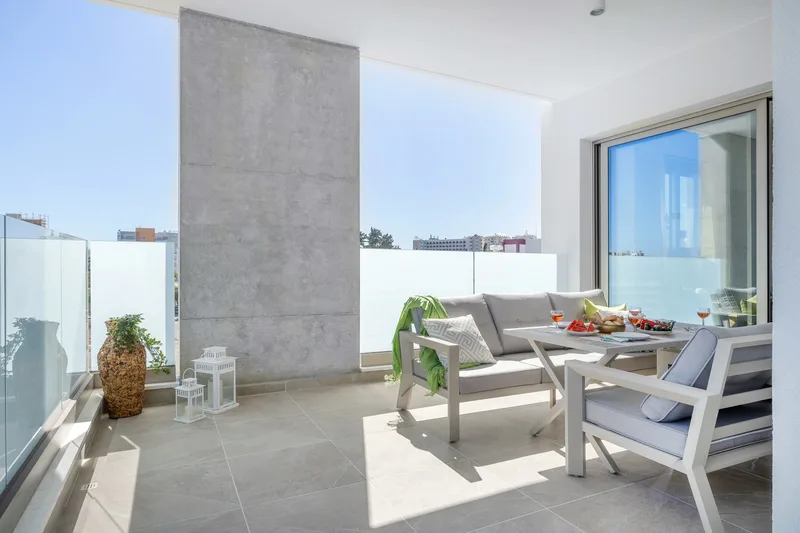
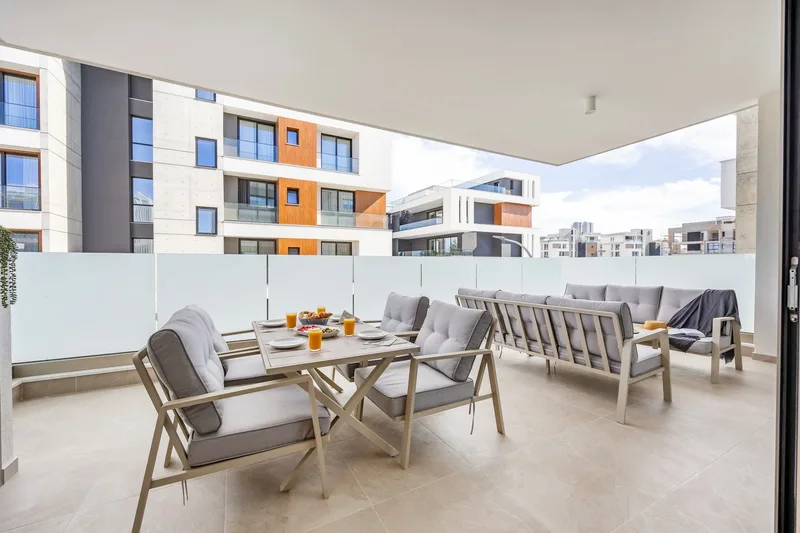
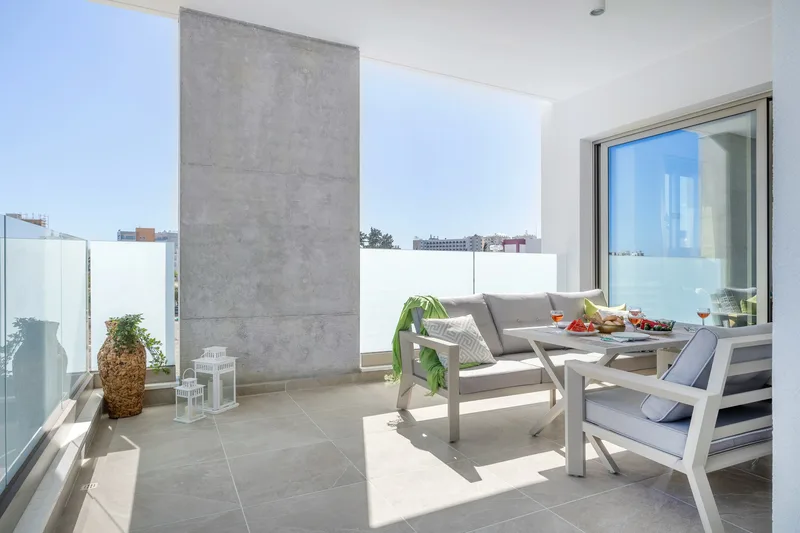
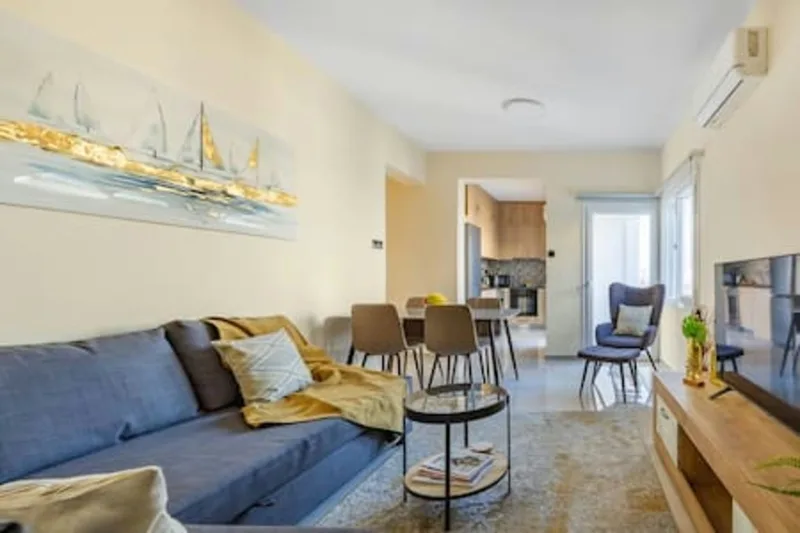
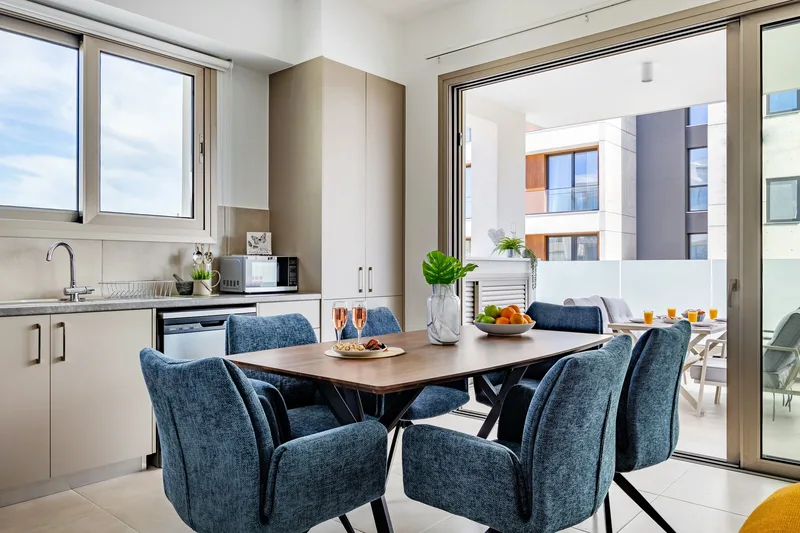
Here’s a strong opinion we’ll stand behind: for stays longer than a week, a villa or apartment beats a hotel decisively. You get space, a kitchen for lazy mornings, and a terrace that becomes your living room by mid-morning. Hotels in winter can feel half closed. A good rental feels like home from day one.
February, a Terrace, and a Glass of Something Local
Someone books Cyprus in winter, slightly uncertain, maybe expecting to spend half the trip indoors. They land. Light hits them. Quiet hits them.
By the third day, they’re eating grilled sea bass at a taverna near Coral Bay with their sleeves rolled up. By the fifth day, they’re checking rental prices for next January.
Every single time.
It’s February. You’re on a terrace somewhere between Columbia Beach and the old town. Evening air sits at 16°C. A glass of something local in your hand. The sea holds the last of the light just a few minutes longer than the sky. No one’s rushing you. No one’s waiting for your table.
The best months to book are January and February. Prices sit 40% to 50% below summer, flights are plentiful, and the weather is reliably warmer than anything northern Europe can offer. Start looking now.
Change made: - “Roman mosaics from the 3rd century BC” corrected to “3rd century AD” - the Paphos mosaics date from the 3rd and 4th centuries AD, not BC.