
First Time Visiting Cyprus: The Honest, No-Nonsense Planning Guide
You’re about to book your first trip to Cyprus, and the internet is giving you contradictory advice. Half the articles read like tourism board press releases. The other half were written by someone who visited Ayia Napa for a weekend in 2016 and now considers themselves an expert. We’ve lived here for two decades, helped thousands of visitors plan their trips, and we’re going to tell you what actually matters before you land.
Cyprus is a small island that punches well above its weight. But it rewards informed visitors far more than spontaneous ones. Spend twenty minutes with this guide and you’ll avoid the mistakes that cost people money, time, and holiday goodwill. For an even deeper dive, our full Cyprus travel guide covers the finer details - if you’ve seen any travel warnings and want to know what they actually mean in practice, our Cyprus Travel Advice 2025: What the Warnings Say vs What’s Actually True cuts through the noise - if you’re watching your spending, our guide to having a brilliant budget holiday in Cyprus shows how far your money can go - if you’re planning to hire a vehicle, our guide to renting a car in Cyprus covers the six mistakes that cost first-timers money - if you’re bringing children, our family holidays Cyprus guide draws on twenty years of helping families plan their trips - if Paphos is on your itinerary, our Paphos Old Town guide gives you everything you need to make the most of it - and if you’re considering working remotely while you’re here, our digital nomad guide to Limassol covers everything from coworking spaces to the tax question people are often afraid to ask.
 Why Cyprus Deserves Your Attention (And Not Just for the Beach)
Why Cyprus Deserves Your Attention (And Not Just for the Beach)
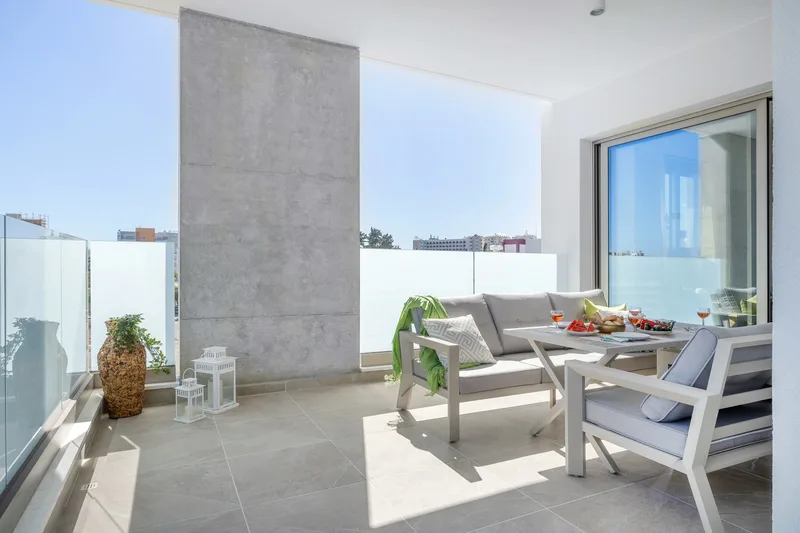
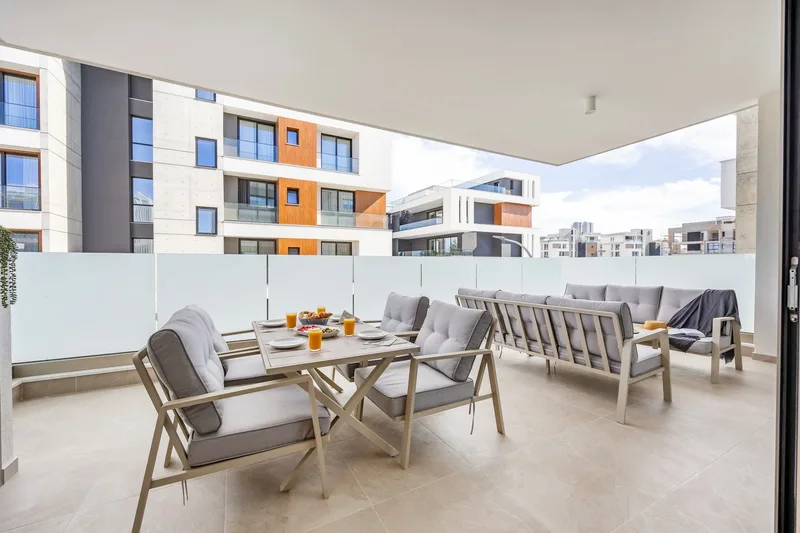
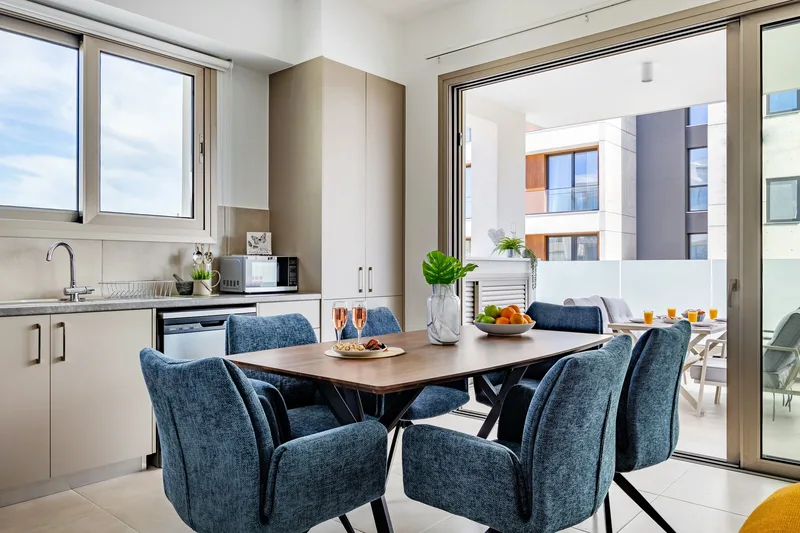
Cyprus records over 300 days of sunshine per year. That statistic alone puts it ahead of most Mediterranean competitors. But sunshine is the starting point, not the selling point - and the best way to make the most of it is from somewhere with outdoor space, like a studio with a large terrace and communal pool or a private villa with its own pool rather than a windowless hotel room. If you’re weighing up accommodation options, our guide to choosing between private and shared pool villas in Cyprus will help you figure out what actually suits your group.
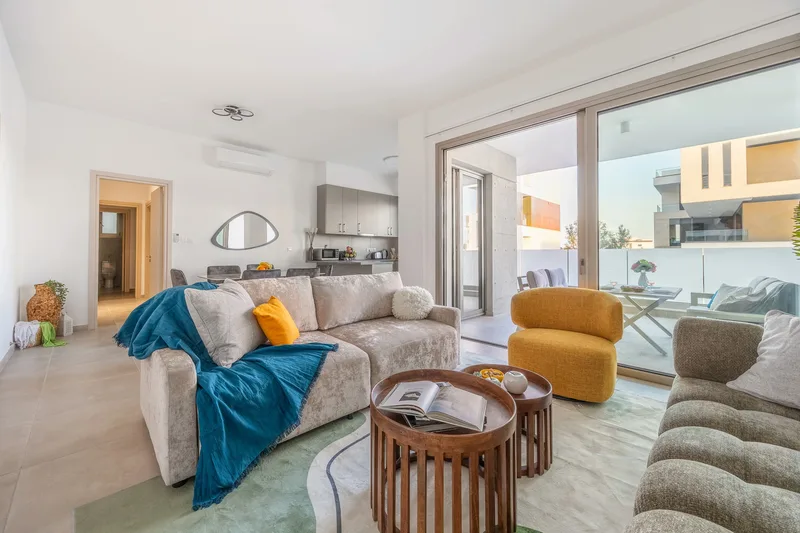
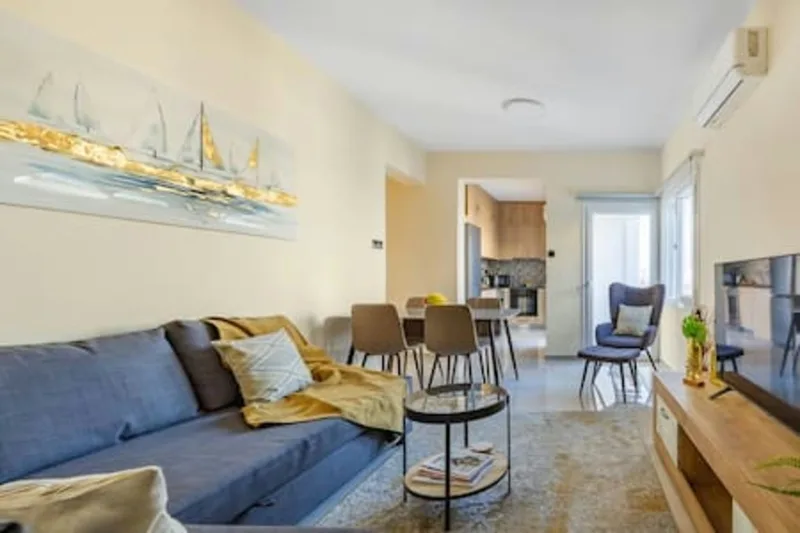
English is spoken almost everywhere. This is a legacy of British colonial administration that ended in 1960, and it means menus, road signs, pharmacies, and casual conversation all work in English without friction. For European visitors especially, Cyprus also uses the euro and has been an EU member since 2004. No currency exchange to worry about, no unfamiliar bureaucracy at the border. This combination of language, currency, and EU membership also makes Cyprus a serious draw for remote workers - and for those considering a more permanent move. Properties like 301 Mulberry Court, a contemporary apartment with a large terrace, give a sense of what modern living here looks like. If you’re thinking about putting down roots, our guide to buying property in Paphos as a foreign buyer walks through the full process. For remote workers specifically, our digital nomad guide to Limassol covers working, living, and the tax picture in detail.l.
Driving from Paphos on the west coast to Larnaca on the east takes under two hours. For anyone visiting Cyprus for the first time, this compactness is a genuine advantage. You can base yourself in one area - somewhere like 101 Piliou City View & Shared Rooftop Pool if you want a central base with city views - and explore the entire southern coastline within a week.
What surprises most first-timers is the depth of history. Petra tou Romiou (Aphrodite’s Rock) near Paphos is where Greek mythology places the birth of Aphrodite. Kolossi Castle outside Limassol is a 15th century Crusader stronghold, still standing among orange groves. Kourion is a Greco-Roman archaeological site perched on a 70 metre cliff, with a restored amphitheatre that still hosts performances in summer. These are not minor ruins requiring imagination. They compete with anything in Greece or Italy, usually with a fraction of the crowds.
If you’re still weighing up whether Cyprus is the right fit, we’ve outlined the strongest reasons to choose it from a practical standpoint.
When to Go: Seasons, Crowds, and Honest Expectations
July and August are the default choice for most visitors, and that’s the problem. Daytime temperatures regularly exceed 38°C. Beaches are at full capacity. Accommodation prices peak. If you have school-age children and no flexibility, these months still work, but go in with realistic expectations and book early.
May to June and September to October represent the genuine sweet spot. Air temperatures sit between 25°C and 32°C. Sea temperatures are warm enough for swimming (22°C to 27°C depending on the month). Prices for accommodation and car hire drop by 30% to 40% compared to peak summer. Beaches are calmer. Restaurants are less frantic. You get a better version of the same island.
Winter is the overlooked option, and we say this without the usual tourism spin. From November to March, daytime temperatures range from 15°C to 20°C on the coast. Rain arrives occasionally but rarely dominates a week. Troodos gets genuine snowfall above 1,500 metres, with skiing at Mount Olympus between January and March. Aphrodite Hills Golf Resort runs year-round, and winter green fees are substantially cheaper. If you’re considering a longer escape from a northern European winter, our winter sun guide breaks down exactly what to expect.
Easter deserves a specific mention. Cypriot Easter follows the Orthodox calendar and is the island’s most important cultural event. Midnight church services, fireworks, spit-roasted lamb on Easter Sunday, and a palpable sense of community make it a genuinely memorable time to visit. Dates shift each year, so check before you book.
Getting Around: Flights, Airports, and Transport Realities
Cyprus has two international airports. Larnaca International Airport (LCA) handles the majority of flights and sits on the southeast coast. Paphos International Airport (PFO) is smaller, serving the west. Your choice should be determined by where you’re staying. Flying into Paphos when your villa is in Paphos saves you 90 minutes of driving on arrival night, and that matters more than people expect after a flight.
Once you land, a rental car is not optional if you want to see the island properly. No rail network exists. Intercity buses connect the main towns but run infrequently and stop early. Taxis are available, and Bolt operates in Limassol, Larnaca, and Paphos, but for day trips to mountain villages, remote beaches, or archaeological sites, you need your own wheels.
Driving is on the left, another British legacy. Roads are well maintained, signposted in English and Greek, and largely uncongested outside Limassol’s rush hour. Hire costs range from 20 to 40 euros per day depending on the season and vehicle. Fuel typically sits around 1.30 to 1.50 euros per litre, cheaper than the UK, Germany, or France. We’ve never met a visitor who regretted renting a car, but we’ve met plenty who regretted not doing so.
Choosing Where to Stay: An Area by Area Breakdown
Where you base yourself shapes your entire trip, so it deserves more thought than most people give it.
Paphos is the historical heart of the island. Paphos Harbour is UNESCO-listed, the archaeological park is a fifteen minute walk from the centre, and the overall atmosphere is quieter and more cultured than the east coast. Couples, history lovers, and visitors who prefer a slower pace tend to gravitate here. Some of the harbour-front restaurants cater firmly to tourists, and we’ll get to that distinction later.
Limassol is the island’s most cosmopolitan city. Its dining scene is the best in Cyprus, the renovated old town has genuine character, and Limassol Marina has brought a polished, modern edge to the waterfront. Limassol suits visitors who want beach access combined with city energy and nightlife that goes beyond a strip of identikit bars.
Larnaca is the underrated option. Finikoudes Beach is central and pleasant, and its salt lake hosts flamingos from November to March. Prices for both dining and accommodation run lower than Paphos or Limassol. It lacks the polish of those two cities, but it feels more authentically Cypriot, and for anyone visiting Cyprus for the first time on a tighter budget, it’s a smart base.
Ayia Napa has earned its reputation as the party destination, and that reputation is accurate. Beaches along this stretch of the southeast coast, particularly Nissi Beach, are among the island’s finest. But outside the beach clubs and nightlife, depth is limited. For everyone beyond the twentysomething crowd, it’s a day trip destination rather than a base. Cape Greco National Forest Park, ten minutes east, offers cliff walks and sea caves that justify the detour even if you never set foot in a club.
Aphrodite Hills is something different entirely: a self-contained resort area near Paphos with its own golf course, tennis academy, spa, and village square. For families and golf enthusiasts, it offers a level of convenience that standalone villas can’t match, while still placing you within 20 minutes of Paphos and the coast.
Money, Costs, and Budgeting
Cyprus sits in the middle of the EU cost spectrum. Cheaper than France, Spain’s coastal resorts, or Italy. More expensive than Portugal, Greece’s mainland, or Croatia.
A taverna meze, which is the definitive Cypriot dining experience, typically costs 15 to 25 euros per person and includes 12 to 20 small dishes. Outstanding value. Restaurants on tourist strips with laminated photo menus will charge 30 to 40 euros for a less impressive version. A sit-down lunch at a village taverna runs 8 to 15 euros per person. Coffee is 2.50 to 4 euros. A bottle of good local wine from a supermarket costs 6 to 12 euros.
Peak season pricing deserves emphasis. Accommodation and car hire in July and August can be 40% to 60% higher than May, June, or October. Booking three to four months ahead during peak is sensible. Shoulder season is more forgiving. Tipping at 10% is appreciated but not expected.
 What to Eat and Drink: A First Timer’s Food Guide
What to Eat and Drink: A First Timer’s Food Guide
Order meze at least once. It removes the pressure of choosing and delivers the full range of Cypriot cooking in a single sitting. A full meze arrives as a procession of small dishes: hummus, tahini, taramosalata, grilled halloumi, loukaniko sausage, lamb chops, souvlaki, fresh fish, salads, bread, and more. Most tavernas offer a meat meze, a fish meze, or a mixed version.
Halloumi in Cyprus bears almost no resemblance to the rubbery slabs sold in European supermarkets. Grilled fresh, ideally from a village producer, it’s salty, squeaky, and transformative. Kleftiko, slow-baked lamb sealed in a clay oven, is the island’s signature meat dish and worth seeking out at places that cook it properly, meaning it takes hours, not minutes.
Commandaria is one of the oldest named wines in the world, produced in the Troodos foothills for over 800 years. It’s a sweet dessert wine, best served chilled.
For something stronger, Zivania is the local spirit: clear, potent (45% to 50% ABV), and served ice cold. Approach with respect.
Omodos village in the Limassol foothills is a good place to try both, with several tavernas and a small winery on the village square. Lefkara is equally rewarding for lunch, with the added draw of traditional lace and silverwork. In Limassol, head to the area around the old fish market for reliable seafood in unpretentious settings.
One rule that will save you money and improve your meals: avoid any restaurant that displays photos of its food outside. Walk further. Find the place with a handwritten menu and locals at the tables.
Culture, Nature, and Exploration Beyond the Beach
Paphos Archaeological Park is the single most impressive cultural site on the island. Roman floor mosaics here, depicting scenes from Greek mythology, are among the finest in the eastern Mediterranean. Entry costs 4.50 euros. Allow two hours minimum. Go early in the morning during summer to avoid the heat.
Troodos offers a completely different Cyprus. Pine forests, painted Byzantine churches (several UNESCO listed), and temperatures 10°C to 15°C cooler than the coast. Atalante Trail (12km) circles Mount Olympus at around 1,750 metres altitude, while Artemis Trail (7km) is shorter and equally scenic. Both are well marked and manageable for anyone with reasonable fitness.
Nicosia, the capital, is Europe’s last divided city. Walking down Ledra Street to the UN buffer zone crossing point is a sobering, worthwhile experience that contextualises the island’s modern history. Within the Venetian walls, the old city has excellent small museums, cafes, and a genuinely different atmosphere from the coastal towns.
For raw landscape, the Akamas Peninsula is unmatched on the island. Blue Lagoon is best reached by boat from Latchi or by 4x4, and on calm days the water visibility exceeds 30 metres. Hiking trails cut through gorges and coastal scrub, with loggerhead turtle nesting beaches along the western shore.
Day trips to Troodos foothill wineries are easy to arrange and genuinely enjoyable, even for casual wine drinkers. Vouni Panayia and Tsangarides in Lemona both welcome visitors without appointment during the warmer months.
Practical Essentials: Health, Safety, and Entry
Cyprus is an EU member state. EU citizens can enter with a national ID card. UK citizens need a passport but no visa for stays under 90 days.
EHIC and GHIC cards are valid for EU and UK citizens respectively, covering emergency medical treatment at public hospitals. Private healthcare is widely available and affordable by Western European standards. Pharmacies are well stocked, and pharmacists almost always speak English.
Crime rates are very low. Cyprus consistently ranks among the safest countries in Europe. Petty theft exists in tourist areas at the same low levels you’d find anywhere, but violent crime directed at visitors is essentially unheard of. For mobile connectivity, EU roaming rules apply to EU phone plans. UK visitors should check with their provider. Local SIM cards from Epic or MTN are available at both airports and cost 10 to 15 euros for a prepaid data plan. For anything we haven’t covered here, our FAQ page addresses the most common questions.
Accommodation: Choosing the Right Format
A private villa with a pool is, for most visitors, the best accommodation format in Cyprus. For a family of four or a group of friends, the cost per person is typically lower than a hotel, and the experience is incomparably better: your own outdoor space, a kitchen for breakfasts, parking on site, and none of the compromises that come with shared hotel facilities.
For couples or shorter stays of three to four nights, a well-located apartment near the sea offers convenience without excess space. In Limassol, properties near the marina put you within walking distance of the best restaurants on the island. In Paphos, harbour-area accommodation gives you the old town on your doorstep.
We manage our properties directly, which means we can offer concierge services that booking platforms simply cannot: airport transfers, pre-stocked fridges, baby equipment, restaurant reservations. For first time visitors to Cyprus especially, these details remove the friction of arriving somewhere unfamiliar. Our guest reviews give an honest picture of what to expect.
Book for May, June, or October if value matters to you. Availability in those months moves quickly. Visitors who get their first choice are almost always the ones who plan three months ahead rather than three weeks.