
Digital Nomad Cyprus: The Complete Guide to Remote Work on the Island
Meta title options: 1. Digital Nomad Cyprus: The Complete Guide to Remote Work on the Island (preferred) 2. Digital Nomad Cyprus: Visa, Costs, Co-Working, and Where to Base Yourself 3. Working Remotely in Cyprus: What Digital Nomads Actually Need to Know
Meta description: Visa requirements, real costs, internet speeds we’ve tested, and the honest trade-offs of each city. Everything we’ve learned from watching Cyprus become a serious remote work base.
Excerpt: Cyprus is the most underrated remote work base in Europe right now, and that’s not a throwaway claim. Here’s everything we’ve learned from two decades on the island and from watching the digital nomad community take shape.
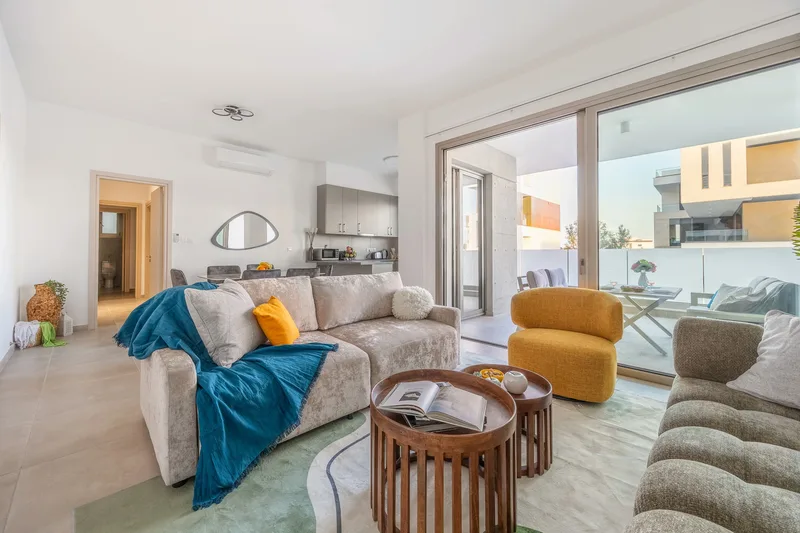
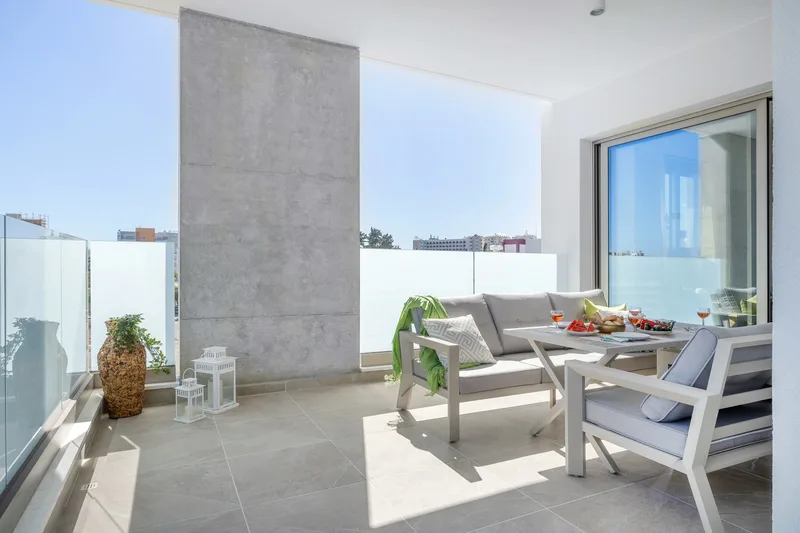
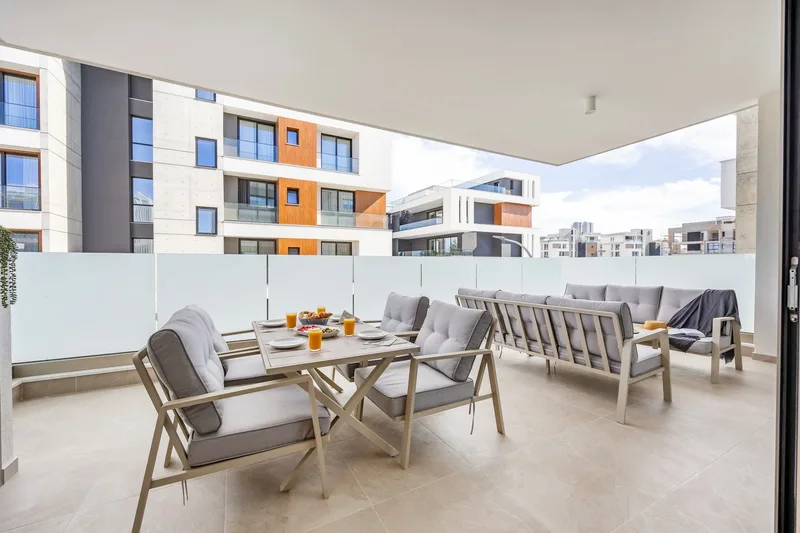
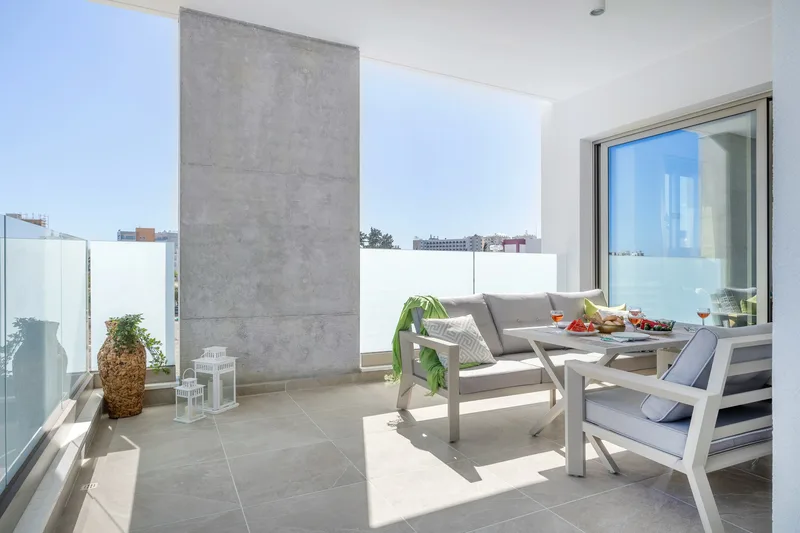
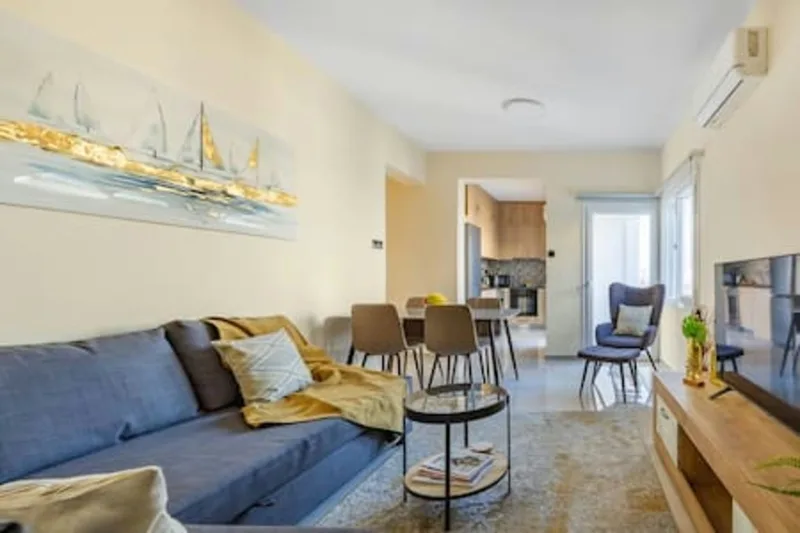
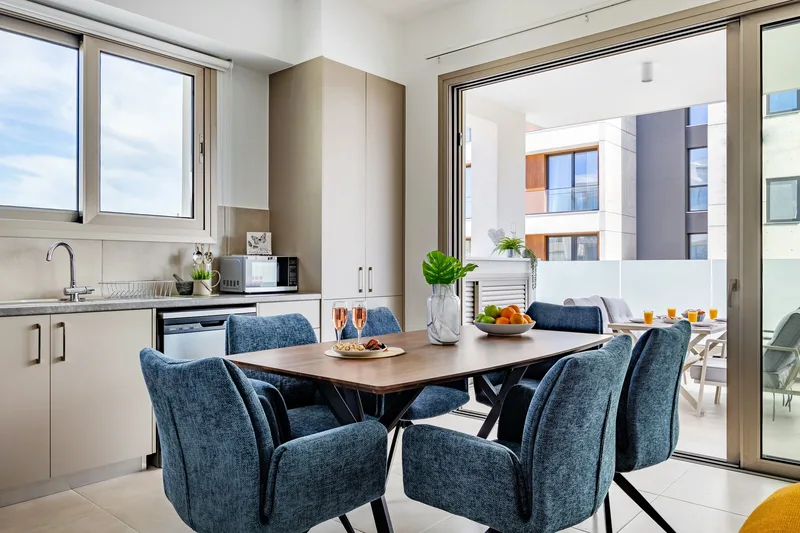
Cyprus is the most underrated remote work base in Europe right now. And no, that’s not a throwaway claim. We’ve watched this island evolve from a sun and sea holiday destination into a genuine hub for location-independent professionals, and the infrastructure, legal framework, and quality of life here now rival cities that dominate every “best for digital nomads” listicle. What separates Cyprus is that it hasn’t been overrun yet. Co-working is growing but not saturated. Living costs are climbing but still sit well below Western European capitals - and you can find well-priced, practical options like this ground-floor one-bedroom apartment or a spacious place with a large terrace that suit a remote worker’s budget. Plenty of nomads who arrive for a season end up planting roots here permanently, and for those who reach that point, our step-by-step guide to buying property in Paphos covers what foreign buyers actually need to know. A genuine year-round outdoor existence in an EU member state where English is spoken almost everywhere is something that Lisbon, Bali, and Tbilisi simply cannot replicate in combination - and that extends beyond work hours, whether you’re after a quiet harbour dinner or a full Limassol night out.
If you’re seriously considering a move, Cyprus deserves close examination. Here is everything we’ve learned from two decades on the island. For a broader look at why Cyprus keeps drawing people back, that’s worth reading alongside this.
What Changed: Infrastructure, Law, and Lifestyle
Start with the numbers that matter. Cyprus averages over 320 days of sunshine per year. English is an official language and spoken fluently across the service economy, government offices, and almost every professional interaction you’ll have. As an EU member state with a stable legal system rooted in English common law, Cyprus offers genuine protections for contract law, intellectual property, and dispute resolution.
Living costs sit roughly 25% to 35% below London, Paris, or Amsterdam, depending on your lifestyle. A comfortable life here, with good food, a car, and a modern apartment with sea views, costs significantly less than a cramped flat in Zone 3.
Safety gets underestimated until you experience it. Cyprus consistently ranks among the safest countries in the EU. Violent crime is exceptionally rare. For solo travellers, particularly women working remotely, this matters more than any visa perk.
Remote work culture has accelerated sharply since 2021. Cyprus’s government introduced a Digital Nomad Visa specifically to attract this demographic, and Limassol’s tech ecosystem now includes fintech firms, gaming companies, and blockchain operations that create a natural community. You’re not arriving in a vacuum.
Digital Nomad Cyprus Visa: What You Need to Know
EU or EEA passport holders can live and work in Cyprus without a visa. You’ll need to register with the Civil Registry and Migration Department if you stay beyond 90 days, but the process is administrative rather than restrictive. Bring proof of income or employment, health insurance documentation, and a rental agreement.
For non-EU nationals, the Cyprus Digital Nomad Visa is the relevant pathway. It’s designed for individuals employed by companies registered outside Cyprus, or freelancers whose clients are based abroad. A minimum gross monthly income of €3,500 is required, demonstrated through employment contracts, client agreements, or bank statements covering the previous six months.
Issued for one year and renewable for a second, the visa grants up to 24 months of legal residency. It does not grant the right to work for Cypriot employers or to access the public healthcare system automatically. Private health insurance is mandatory, and you must secure it before applying.
Applications run through the Civil Registry and Migration Department. Required documents include a clean criminal record certificate, proof of accommodation in Cyprus, health insurance, and income verification. Processing times vary, but we’ve seen approvals take between four and eight weeks. Budget approximately €70 to €150 in administrative fees.
One important nuance: this visa does not count toward permanent residency. If your long-term plan involves settling in Cyprus, you’ll need to explore separate immigration pathways. Our FAQ section covers common queries on logistics and paperwork.
Internet, Co-Working, and Getting Connected
We need to be honest here, because internet reliability is the single most important infrastructure question for any remote worker. The answer in Cyprus is good in cities, variable outside them.
In Limassol, Nicosia, and Paphos town centres, fibre broadband is widely available. Speeds of 100 to 200 Mbps are standard from providers like Cyta (the state telecoms company), Epic, and PrimeTel. We’ve tested connections in multiple furnished apartments across Limassol and consistently seen download speeds above 80 Mbps, which is more than adequate for video calls, large file transfers, and simultaneous device use.
Rural areas tell a different story. ADSL connections of 10 to 20 Mbps are still common outside fibre coverage zones. If your work demands reliable high-speed internet, this should directly influence where you choose to live. Verify the broadband speed of any accommodation before booking. Ask for a screenshot of a speed test. Do not assume.
For mobile data, Cyta’s eSIM and prepaid SIM options offer solid 4G coverage across urban areas, with data packages starting around €15 per month for 10GB. 5G rollout is underway in Limassol and Nicosia but remains limited.
Co-working spaces have expanded significantly. Impact Hub Limassol operates near the city centre, with hot desks from around €150 per month and private offices available. Its community leans toward tech, finance, and creative professionals. In Nicosia, Synergio Coworking (4.5 stars, 40+ reviews) offers a well-reviewed environment near the old city, with day passes and monthly memberships. In Paphos, Nest Coworking serves the growing nomad community with a more relaxed, smaller-scale setup.
Limassol’s cafe scene also supports laptop work, particularly along the old town streets and the coastal stretch near Molos. Many cafes have reliable Wi-Fi and don’t rush you. Kato Paphos has a similar dynamic.
 Choosing Your Base: Limassol vs. Paphos vs. Nicosia
Choosing Your Base: Limassol vs. Paphos vs. Nicosia
This decision shapes your entire experience, so we’ll be direct about the trade-offs.
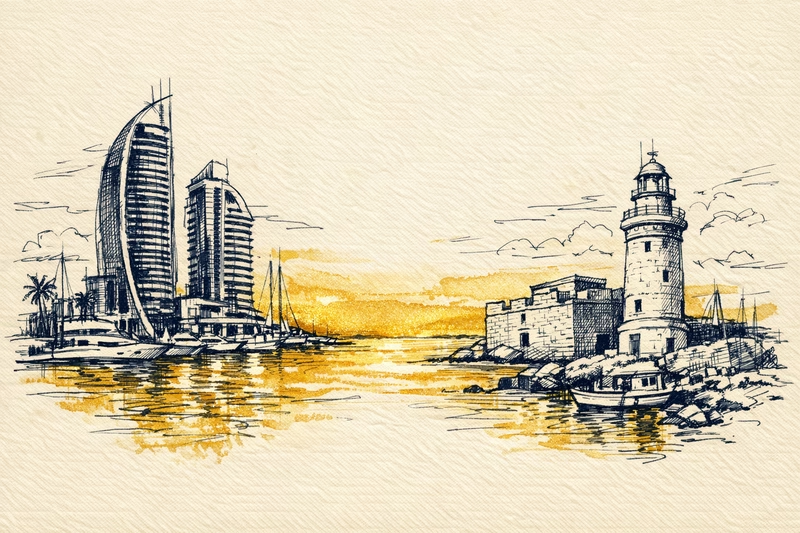
Limassol is the obvious choice for most digital nomads, and for good reason. It’s the island’s commercial and cosmopolitan centre, home to the largest international community, the most developed co-working infrastructure, and more restaurants, bars, and social options than anywhere else. Our Limassol area guide covers the marina district and seafront promenade, which provide a genuinely attractive daily backdrop. Expect meetups, networking events, and casual social opportunities within your first week.
Cost is the trade-off. Limassol is the most expensive city in Cyprus for accommodation, dining, and nightlife. A modern one-bedroom apartment in a central location runs €800 to €1,200 per month. Traffic along the coastal road during rush hours is genuinely frustrating.
Paphos offers a different proposition entirely. Slower-paced and scenic, it sits on the western coast with immediate access to the Akamas Peninsula and some of the island’s best hiking. Rental prices are 20% to 30% lower than Limassol. A smaller but growing nomad community rewards those who prefer a quieter daily rhythm. Kato Paphos Harbour is a pleasant 15-minute walk from most central apartments, and the archaeological park provides a daily backdrop that never gets old.
Paphos International Airport offers direct flights to major European cities, removing the need to transit through Larnaca. For nomads who travel frequently, this is a practical advantage worth factoring in early.
Nicosia is the least conventional choice but has real strengths. As the capital, it’s the most affordable of the three, with one-bedroom apartments available from €500 to €750 per month. Cultural infrastructure runs deepest on the island here: galleries, theatres, the Cyprus Museum, and a food scene that skews more authentic. Ledra Street and the streets radiating from it form a walkable core with strong character.
Geography is the obvious limitation. Nicosia is inland. Beaches sit 45 minutes away by car. Summer temperatures push above 40°C more often than on the coast, and the city lacks the sea breeze that keeps Limassol and Paphos manageable in July and August.
What to Budget: Cost of Living as a Digital Nomad in Cyprus
We’ll break this down in euros per month, based on a single person living comfortably but not extravagantly.
Accommodation is your largest expense. In Limassol, a furnished one-bedroom apartment with fibre broadband ranges from €800 to €1,200 per month. In Paphos, the same quality sits at €600 to €900. Nicosia comes in at €500 to €750. Studios are available for less, but if you’re working from home, a separate bedroom matters for your sanity.
Groceries run €250 to €350 per month if you cook regularly. Supermarkets like Alphamega and Papantoniou are well-stocked. Local produce, particularly seasonal fruit, vegetables, and halloumi, is excellent and inexpensive. Lean into the local supply chain and your grocery bill drops noticeably.
Eating out is one of Cyprus’s genuine advantages. A solid taverna meal with a beer or local wine costs €12 to €20 per person. Budget €200 to €300 monthly if you eat out three to four times a week.
Transport is where many nomads underestimate costs. If you rent a car (recommended outside Nicosia), expect €300 to €450 per month for a long-term rental, plus fuel at roughly €1.40 per litre. Public transport is limited and unreliable outside Nicosia’s bus network. Most digital nomads in Cyprus manage without a car for the first month, then rent one by month two once the limitations of bus schedules become clear.
Utilities average €80 to €150 per month, depending heavily on air conditioning use in summer.
Health insurance is mandatory for Digital Nomad Visa holders. Private plans start at €60 to €100 per month.
Total realistic budget: €1,800 to €2,800 per month in Limassol, €1,400 to €2,200 in Paphos, €1,200 to €1,900 in Nicosia. For comparison, Lisbon runs €2,000 to €3,000 for equivalent quality.
Finding the Right Accommodation for a Long Stay
You need reliable internet, a workspace that doesn’t double as your dining table, and a location that supports a daily routine rather than a vacation itinerary.
Short-term furnished rentals are the most practical starting point. We recommend booking an initial two to four weeks, then extending once you’ve confirmed the internet speed, noise levels, and neighbourhood feel. Our long-stay options are specifically structured for this kind of arrangement, with fast Wi-Fi verified and workspace-ready interiors.
In Limassol, the Agios Tychon area east of the city centre offers a quieter residential environment with easy access to the coast and the Amathus archaeological site. Apartments in this stretch tend to be newer, with fibre broadband and modern amenities. Our Agios Tychon Luxury Villa with Private Pool offers dedicated workspace and strong connectivity for longer stays.
In Paphos, our Mira Paphos 2-Bedroom Apartment with Private Terrace works well for nomads: modern interiors, a terrace for morning calls, and walkable proximity to cafes and the harbour. For those who want a focused environment away from city distractions, Aphrodite Hills between Paphos and Limassol sits on a plateau above the coast, with resort infrastructure and quiet, self-contained accommodation.
Booking lead times matter. For summer (June to August), secure accommodation at least two to three months ahead. Shoulder season offers more flexibility, with good availability even four weeks out. Browse our full property collection to see what’s available across the island.
Taxes, Banking, and the Legal Side
A clear disclaimer: this section provides a general overview only. Tax and legal situations vary enormously by individual circumstance. Always consult a qualified Cypriot tax advisor before making decisions based on tax considerations.
Cyprus offers a 60-day tax residency rule. If you spend at least 60 days in Cyprus within a tax year, are not tax resident in any other country, maintain a permanent residence here (owned or rented), and carry on business or are employed in Cyprus, you can qualify as a Cypriot tax resident. Most countries require 183 days.
Non-domiciled status is the other major draw. Individuals who are tax residents but not domiciled in Cyprus are exempt from the Special Defence Contribution tax. In practice, this means no tax on dividend income, no tax on interest income, and no tax on rental income from abroad for a period of 17 years. Corporate tax sits at 12.5%, one of the lowest in the EU.
Banking presents more friction. Opening a local bank account as a new resident involves significant paperwork and can take several weeks. Banks require proof of address, proof of income, a reference letter from your existing bank, and often an in-person appointment. Wise and Revolut are widely used by nomads as practical alternatives while a local account is being processed.
Digital Nomad Visa holders are not automatically eligible for GESY, the national health system, and must rely on private insurance. Private healthcare in Cyprus is high quality and significantly cheaper than in the UK or Germany. A GP consultation typically costs €30 to €50 without insurance.
 Life Beyond the Laptop
Life Beyond the Laptop
The practical case for Cyprus is strong. But the reason nomads stay longer than planned is the life that surrounds the work.
We’ve written extensively in our Cyprus travel guide about the island’s depth. For daily life as a remote worker, several elements stand out.
From October to May, hiking in the Troodos Mountains is exceptional. Both the Atalante Trail and Artemis Trail are well-maintained circular routes of 12 to 14 kilometres with altitude and views that justify the drive. On the northwest tip, the Akamas Peninsula offers wilder, more rugged terrain with gorge walks and coastal paths. Watersports run from April through November, from paddleboarding at Kourion Beach to diving at Cape Greco.
Food operates as a daily rhythm rather than a special occasion. A long Friday lunch at a village taverna is a measurable quality of life gain. Omodos village in the wine region is a 40-minute drive from Limassol, with some of the best home-style cooking on the island alongside small-batch wineries producing Maratheftiko and Xynisteri varietals worth knowing by name.
Saturday morning farmers markets in Limassol (near the old port) and Paphos provide fresh produce at excellent prices. Seasonal specialities like fresh almonds in June, figs in August, and pomegranates in October become markers of the year that anchor you to the island’s calendar.
Winter deserves specific attention. January averages 15°C to 17°C on the coast. Rain falls, sometimes heavily, but dry sunny days remain frequent. Outdoor terrace working is viable in February on the south coast, a claim few European destinations can match. For more on what winter in Cyprus actually looks and feels like, we’ve written a detailed piece.
Is Cyprus Right for You? Honest Pros and Cons
We’ll close with the straightforward assessment we wish someone had given us.
Genuine strengths: a climate that supports outdoor living year-round. English spoken everywhere that matters. EU legal and financial framework. Exceptionally low crime. A tax environment that rewards high earners who structure properly. Food and wine culture that enriches daily life without demanding a high budget.
Real limitations: Cyprus is an island, and that feeling becomes tangible after several months. Direct flight options, while growing, are still thinner than from mainland European hubs. Bureaucracy moves slowly, and patience with administrative processes is not optional. Public transport is poor. You will almost certainly need a car. Cultural nightlife is limited outside Limassol and Nicosia. If you need museums, galleries, and live music weekly, this isn’t your city. If you need those things monthly and prefer hiking, swimming, and good food the rest of the time, you’ll be fine.
Nomads who thrive here share a profile: they value stability over novelty, outdoor living over urban intensity, and long slow evenings over packed social calendars. They tend to stay for six months and then quietly extend.
Cyprus rewards patience. Your first two weeks feel like holiday. Weeks three and four feel like adjustment. By month two, you’ve found your cafe, your swimming spot, your supermarket, and the taverna where they remember your order. That’s when it clicks.
Our extra services can smooth the logistics of settling in, from airport transfers to local SIM cards and grocery delivery on arrival. Arrive in late September or early March. Prices are lower, the weather is warm without being punishing, and you’ll have time to settle before the island fills up or empties out.