
Hidden Beaches Cyprus: 10 Coves the Guidebooks Still Miss
We were looking for somewhere to swim after a late lunch in Polis, and the couple at the next table overheard us debating Latchi versus Blue Lagoon. The woman leaned over, lowered her voice like she was sharing classified intelligence, and said: “Neither. Drive to Argaka. Turn left at the church. You won’t see anyone.” She was right. We parked on a dirt track beside a fishing boat that hadn’t moved in years, walked forty metres through dry scrub, and found a cove so quiet we could hear the octopus traps clanking against the harbour wall three hundred metres away. That was seven years ago. The cove is still there, still quiet, and still absent from every major guidebook we’ve checked.
Cyprus has 780 kilometres of coastline, and yet the vast majority of visitors cluster on the same dozen beaches. Nissi Bay, Fig Tree Bay, Coral Bay, the Limassol tourist strip. Popular for good reason. But the island holds far more than those familiar stretches, and the best of what it holds tends to be the places without sunbed concessions, ice cream vans, or signposted car parks. If you’re after hidden beaches in Cyprus, the kind that locals mention reluctantly and only to people they like, you need to leave the main roads behind - and ideally a private base to come back to, which is why it’s worth asking the right questions before booking a villa with a pool. Our Cyprus travel guide covers the essentials. This post is about the places that don’t make it into the essentials, and why Cyprus rewards the curious enough to look beyond the obvious.
How We Found These Beaches
We didn’t sit down with a satellite map and circle empty stretches of coast. Over twenty years of living here, we’ve built a collection of these spots the way other people collect restaurant recommendations: a whispered tip at a taverna, a wrong turn on a dirt road, a local fisherman waving us toward a cove we’d have driven straight past.
What all ten share is practical, not poetic. No sunbed rentals. No lifeguard station. No signposted car park. Often, the only way in is on foot, by boat, or via an unpaved track that would make a rental car company wince.
Quiet does not always mean comfortable. Several of these beaches have zero shade, no fresh water, and no mobile signal. You give up convenience and you get solitude, beauty, and the feeling that the island is yours for an hour.
1. Sea Caves Beach, Pegeia (Paphos District)
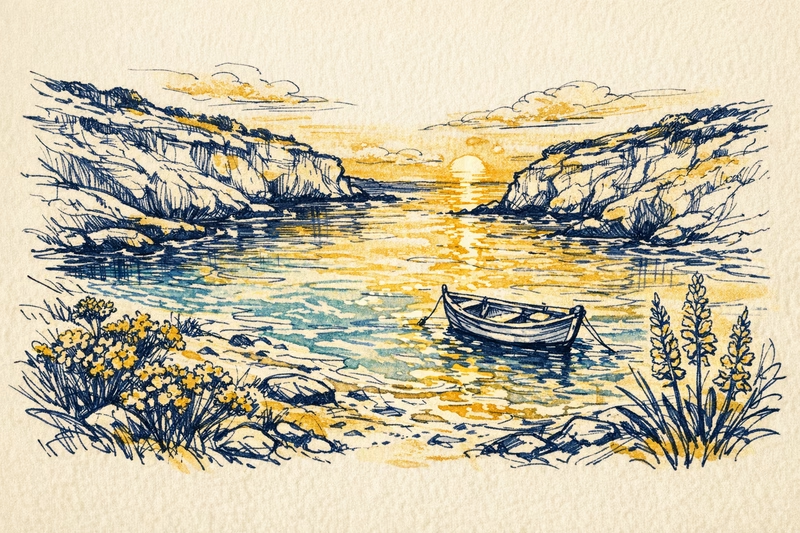
Most visitors see the limestone arches and sea caves south of Coral Bay from the cliff path above, take a photograph, and leave. But there’s a cove at the base of the formations, accessible via a scramble down the rocks on the south side, where the water pools into a sheltered turquoise basin framed by those eroded arches.
We recommend arriving at sunrise, before the first quad bikes start rumbling along the coast road from the Coral Bay hotels. By 10am in summer, small groups begin appearing. By midday, the magic is diluted. Early morning, though, you’ll likely have the entire cove to yourself, with light pouring through the cave openings in a way that feels almost theatrical.
A practical note: water shoes are not optional. Rocks are sharp and slippery with algae below the waterline. Paphos is the closest base, roughly 20 minutes by car. Of all ten beaches on this list, this one rewards photographers most generously.
 2. Lara Beach, Akamas Peninsula
2. Lara Beach, Akamas Peninsula
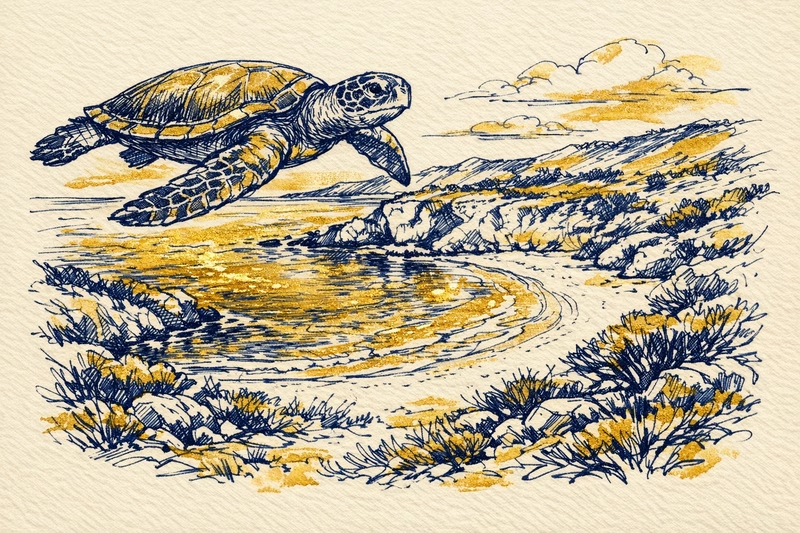
If any beach on this list deserves its reputation, it’s Lara. A protected nesting site for both green and loggerhead sea turtles, it sits inside the Akamas National Park on a stretch of coast that the Cypriot government has deliberately kept undeveloped. No bins, no showers, no shade structures. Just two wide sandy bays separated by a rocky headland, backed by wild scrubland that smells of thyme and dust.
Getting here requires either a 4x4 along the rough coastal track from Agios Georgios (about 30 minutes of careful driving) or a 30 minute hike from the nearest paved road. We’ve done both. Hiking is better. You earn the view, and you arrive without the anxiety of wondering what that last pothole did to your suspension.
Between June and September, you’ll see wire cages protecting turtle nests along the sand. Stay well clear of them. Conservation here has been running since the 1970s, and it works precisely because visitors respect the boundaries.
3. Fontana Amoroza, Akamas Coast
“Fountain of love” is what the name translates to, and mythology links it to Aphrodite. Reality is less romantic and more impressive: a small rocky cove on the western Akamas coast where freshwater springs seep through the rock into the sea, creating temperature pockets that make snorkelling here genuinely unusual. You’ll drift through warm and cold patches within a single metre.
Access is the filter. You either take a boat from Latchi (several operators run trips for around 25 to 40 euros per person) or you hike the Aphrodite Trail from the Baths of Aphrodite car park, roughly two hours each way along an exposed coastal path. No vehicle access exists. This natural exclusivity keeps the cove quiet even in August.
Bring a mask. Rock formations underwater are as dramatic as those above. Of everything on this list, Fontana Amoroza rewards snorkellers most.
4. Pomos Beach, Tylliria
Tylliria is the part of Cyprus that even many Cypriots forget about. Northwest coast between Pyrgos and Pomos: pine forests, empty roads, and a handful of fishing villages that feel like they belong to a different decade. Pomos itself has a small harbour, a couple of tavernas, and a pebble and sand beach that sees almost no foreign visitors.
We’ve stopped here half a dozen times over the years, always midweek, always in the afternoon. Every time, the same scene: a few local families, some fishing boats drying nets, and absolute quiet. Yiorgos Taverna sits on the harbour and serves grilled fish that was swimming that morning. Chips come in a metal bowl and nobody apologises for it.
Combine Pomos with a drive through Pafos Forest. From Kato Pyrgos, the road winds through views that justify the detour entirely.
5. Episkopi Cove (Curium Coast), Limassol District
Thousands of visitors stand on the cliffs at Kourion each year, admire the Roman amphitheatre, look out at the sea, and then drive away. Almost none of them walk down to the shoreline below.
Their loss.
Episkopi Cove sits at the base of those cliffs, accessed via a steep but short path from the western edge of the archaeological site. Pebbly beach, startling water clarity. On a calm day, you can see the bottom at four or five metres. Cliffs above give the whole spot a sense of enclosure and drama that a flat sandy beach simply cannot match.
If you’re staying in Limassol, this is a 20 minute drive west along the coast road. Save the beach for late afternoon when the sun drops behind the cliff and the light turns golden on the water.
6. Pissouri Bay’s Eastern Tip, Limassol
Main Pissouri beach is well known and well attended. Organised sunbed sections fill up reliably from June onwards. But walk east past the last row of loungers, continue beyond the headland for about 300 metres, and you’ll find a series of small rocky coves backed by chalk white cliffs that provide natural shade for much of the afternoon.
We’ve spent entire afternoons here with a mask and a cheap underwater camera, and the results have been better than anywhere else we’ve tried on the south coast. Octopus, moray eels, and grouper all within ten metres of the rocks.
No facilities. Bring water and something to sit on. For anyone searching for hidden beaches in Cyprus that genuinely deliver on underwater life, this quiet corner of Pissouri is where we’d point you first.
7. Avdimou Beach, Limassol District
Avdimou is the beach we send people to when they say they want to feel like they’ve discovered something. A long, wide, undeveloped sweep of dark sand backed by scrubland hills, with not a single sunbed, shower, or snack bar in sight. British military base nearby has kept development at bay for decades, and the result is a coastline that looks almost wild.
Local families come on weekday mornings with folding chairs and cool boxes. By late afternoon, the beach is often completely empty. For families visiting Cyprus who want space for children to run without worrying about crowded shorelines, Avdimou delivers.
One honest warning: there is no shade. In July and August, the sand gets hot enough to burn bare feet by noon. Bring an umbrella, plenty of water, and plan for a morning visit.
 8. Konnos Bay, Cape Greco
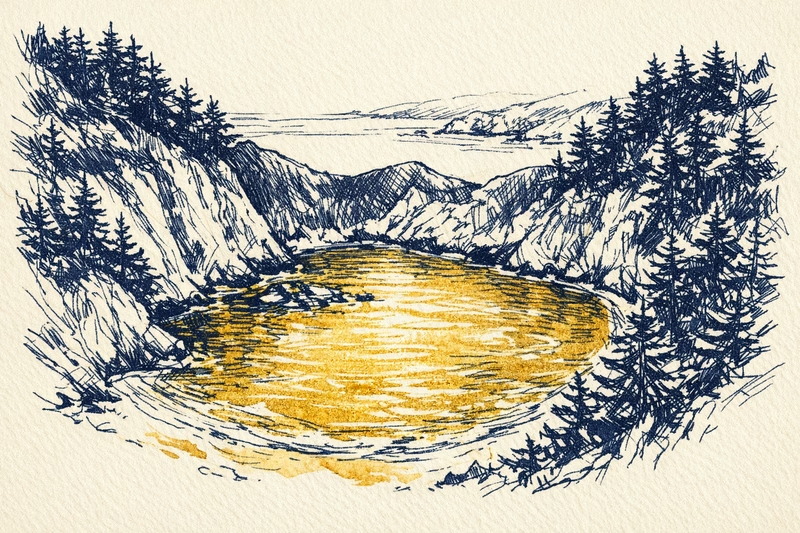
8. Konnos Bay, Cape Greco
Konnos is the entry on this list most likely to make locals argue. “It’s not quiet,” they’ll say. “Everyone knows Konnos.” And yes, by midday in summer, the small horseshoe cove inside Cape Greco National Forest Park fills up. But arrive before 9am or after 5pm, and Konnos becomes a different place entirely.
Early morning, pine trees on the cliff cast long shadows across the sand. Water is glassy and the visibility extends to the sea cave openings on the eastern side, which you can snorkel into directly from the beach. Cave interiors are shallow enough to stand in and the light effects are remarkable.
A small kiosk and a lifeguard operate in season, making this the most accessible entry on the list. Sometimes the trick is less about remoteness and more about timing.
9. Yiannaki Beach (Landa), Ayia Napa
We almost didn’t include an Ayia Napa beach. Resort reputation for noise and crowds runs counter to everything this list represents. But Yiannaki, tucked between Landa and Makronissos on the coastal walking path, is genuinely overlooked by visitors who stick to signposted beaches and never venture onto the trail between them.
Access is via an unmarked footpath roughly 200 metres east of Landa Beach’s last sunbed row. Soft sand, Blue Flag water quality matching its famous neighbours, and crowds that thin dramatically. We counted 11 people here on a Saturday in July when Nissi Bay, less than three kilometres west, had over a thousand.
Shallow water and soft sand make it suitable for young children. No facilities, so pack accordingly. Proof that even Ayia Napa has a quiet side, if you know where to step off the path.
10. Argaka Beach, Chrysochou Bay
Back to where we started. Argaka sits on the north coast of Chrysochou Bay, a fishing village so small that its beach doesn’t appear on most tourist maps. Dark volcanic pebbles against water so blue the contrast looks edited. It isn’t.
Park near the small harbour and walk north along the coast for five minutes. You’ll pass a couple of fishing boats, a church, and then nothing. Beach stretches quietly for several hundred metres with the Troodos foothills rising behind. In the village itself, two tavernas serve grilled octopus and village salad at prices that remind you what Cyprus cost fifteen years ago.
Argaka rewards the drive. It’s about 40 minutes north of Paphos, through Polis and along the coast road, each village quieter than the last.
Before You Go: What We Learned the Hard Way
No bins means you carry out everything. Every wrapper, every bottle. We keep a rubbish bag in the car permanently. These beaches stay beautiful because the people who find them treat them with respect.
Turtle nesting zones at Lara and anywhere else you see protective cages are nonnegotiable. Stay behind the wire. No flash photography at night during nesting season, June to September. Conservation on this island is serious, effective, and depends entirely on visitors cooperating.
A 4x4 or high clearance vehicle opens up significantly more options. Standard rental cars handle most of this list, but Lara Beach and parts of the Akamas coast genuinely require something tougher. Budget an extra 15 to 20 euros per day for the upgrade. If you need help arranging car hire to reach the more remote spots, our extra services team can sort that before you arrive.
Where to Stay When You’re Exploring Hidden Beaches in Cyprus
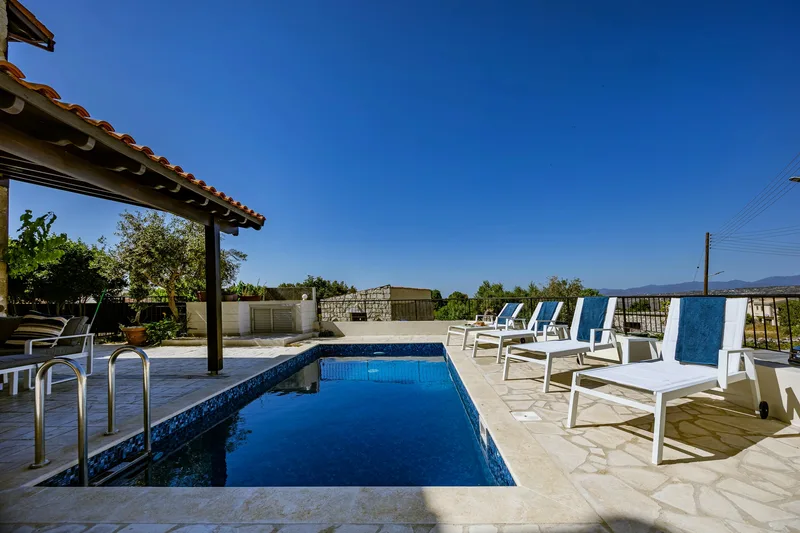
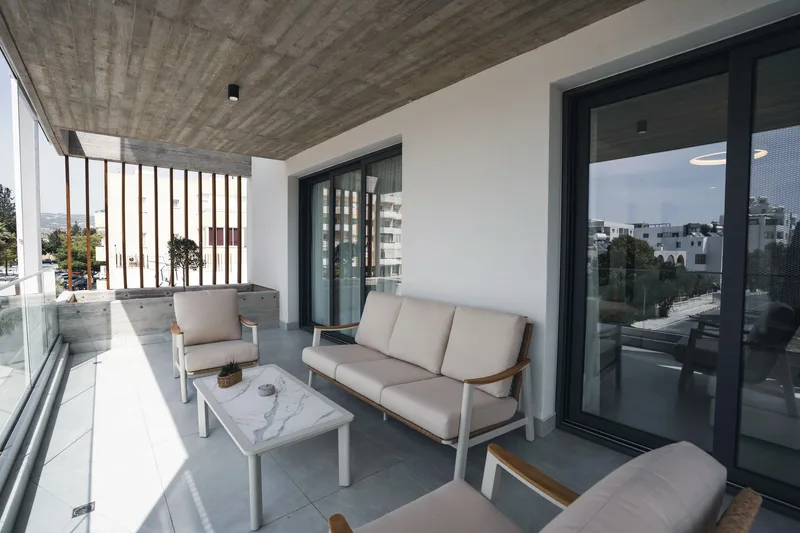
A villa or apartment rental gives you the flexibility these beaches demand. Early starts without hotel breakfast schedules. A kitchen to pack a cool box. Space to rinse off sand and salt before collapsing on a sofa.
For Paphos and Akamas beaches (entries 1 through 4 and entry 10), Paphos is the natural base. Everything on the western half of this list falls within 40 minutes of town. If you want proximity to the Akamas specifically, consider a property near Aphrodite Hills, which puts you within easy reach of both the peninsula and the coast.
Limassol district beaches (entries 5 through 7) sit under 30 minutes from the city. Cape Greco and Ayia Napa entries are best reached from the east of the island, though they also make a rewarding day trip from either base.
May, June, September, and October are the months for this kind of exploring. Warm water, extraordinary light, and the crowds that compress onto famous beaches in July and August have either not yet arrived or already left. Book early for those shoulder months. People who know, know.
Changes made:
- Pomos Beach: Removed the specific Google rating and review count (“4.5 stars on Google, around 40 reviews”) for Yiorgos Taverna. Crowd-sourced ratings change constantly and citing a small review count as a factual endorsement is unreliable; the taverna recommendation is preserved without the figures.
- Yiannaki Beach: Corrected the distance from Yiannaki to Nissi Bay from “less than two kilometres” to “less than three kilometres” - Makronissos to Nissi Bay is closer to 2.5-3 km by road or coastal path, making the original figure slightly misleading.