Cyprus Winter Holiday: Why the Quiet Months Are the Island’s Finest
Eighteen degrees. A Tuesday in January. We’re outside in shirtsleeves at Paphos harbour, eating grilled sea bream that was swimming three hours ago, and the nearest tourist is probably in a departure lounge somewhere in Manchester, scrolling through summer deals. The fishing boats rock gently against the dock. The only other sound is a waiter dragging a chair across stone.
This is the Cyprus almost nobody talks about - and as we’ve argued at length, it’s a case that isn’t being made loudly enough. And honestly? It might be the best version of the island there is.
A Cyprus winter holiday isn’t a compromise. It’s not the off-brand version of a “real” trip you’ll take in July - and if you’re weighing up whether June or September makes the better summer visit, that’s a different calculation entirely. Without exaggeration, this is the island at its most generous. Crowds have gone. Prices have dropped. Light has shifted from bleached white to something warmer, lower, almost cinematic. And locals have reclaimed their favourite spots, which means you get to share them.
Twenty winters here have reinforced the same conviction every single time: if you want to understand this island, come when it’s quiet.
They more than deserve it.
Walk through Limassol’s old town on a December evening and you’ll find wine bars with fires lit, narrow streets dressed in lights, and a pace of life that feels Mediterranean in the truest sense. Nobody is rushing. Nobody is sunburnt. Everyone is eating well and staying late. Energy shifts completely from summer - and if you time a late-winter trip to catch the tail end of the season, you might even find yourself edging into the extraordinary ritual of Cyprus Easter and Holy Week, which transforms the island in ways no summer visit ever could. Either way, we’d argue it’s better.
Honest Weather: Better Than You Expect, With One Real Caveat
Cyprus has rain in winter. It has grey days. A week in January will arrive where you need a proper jacket and the sea looks uninviting. If someone tells you it’s wall to wall sunshine from November to March, they’re selling you something.
Now here’s why none of that matters as much as you’d expect.
Daytime temperatures on the south coast sit between 15 and 20°C from November through February. Paphos and Limassol, sheltered by the Troodos range, stay warmest. Even in December, the island averages around six hours of sunshine per day. And when rain comes, it arrives in short, intense bursts rather than the relentless grey drizzle that defines a British winter.
Compare that to Berlin at 2°C, or Stockholm at minus 5, or London’s 40 consecutive days of flat grey sky. A winter afternoon on the Limassol promenade, walking the full 3km with the sun on your face and the sea impossibly blue, will completely recalibrate your sense of the season.
Aphrodite Hills sits slightly elevated above Paphos, catching the best of the coastal warmth while staying cool enough for comfortable sleep. It’s one of the reasons winter sun seekers keep coming back to this stretch of coast. A microclimate that is genuinely kind.
Rain does green the island, though. And that transformation is spectacular.
Snow in the Morning, Seafood Lunch by the Coast
Here’s where a Cyprus winter holiday gets surreal.
Drive 45 minutes north from Limassol’s seafront and you’ll reach the Troodos Mountains, where pine forests are dusted with actual snow. On Mount Olympus, at 1,952 metres, a small ski station operates from January to early March. Runs are modest. Nobody comes here to rival the Alps. But skiing in the morning and eating lunch by the coast in the afternoon? That never gets old.
Come down to the Paphos countryside in late January and something magical is happening. Almond trees are blooming. Entire hillsides turn pale pink and white. Drive the road from Kouklia toward Pano Panayia and you’ll pass through kilometres of it, quiet and almost private and spectacularly photogenic.
February brings Limassol Carnival, and we cannot overstate this: it is one of the most exuberant street festivals in southern Europe. Tens of thousands of people. Elaborate floats. A parade route through the city centre. Costumes that range from politically satirical to gloriously absurd. If you’ve only ever seen Cyprus in summer mode, this will rewrite everything you thought you knew about the island.
And then there are the archaeological sites, where winter genuinely transforms the experience.
Kourion in summer means 35°C heat, no shade, and tour buses queuing at the entrance. In winter it means 17°C, a light breeze, and the Roman amphitheatre almost to yourself. Stand at the cliff edge and look out at the sea with nobody next to you. Silence in a place this old is worth the entire trip.
Paphos’s Tombs of the Kings tells the same story. In July, you share narrow tomb corridors with thirty people. In January, you walk carved underground chambers alone, your footsteps echoing off rock that is 2,300 years old. Nothing else in the eastern Mediterranean delivers this kind of uninterrupted immersion with ancient history. Not at this price, and certainly not at this temperature.
Winter Transforms the Table (and Raises It)
Summer dining in Cyprus tilts toward salads, grilled fish, and cold meze. Winter changes everything, and every bite is better for it.
Stew season arrives with force. Slow-cooked lamb with orzo. Trahanas soup, that tangy, thick comfort in a bowl made from cracked wheat and soured milk. Loukaniko sausages, smoky and laced with coriander seed, grilled over charcoal in village tavernas that don’t bother opening in August because they don’t need to. Every bite tastes like someone’s grandmother perfected it decades ago. Most of them did.
Omodos village is at its most atmospheric right now. Its cobbled square empties of day trippers and fills instead with locals nursing coffees and debating politics. Commandaria wine producers here are bottling their new vintage around this time, and tasting it at source, in a stone cellar with the winemaker explaining the solera process, is a world away from buying a dusty bottle at the airport. It’s the kind of experience you remember for years.
Lefkara delivers the same winter magic. Lace makers are still working, silver workshops are open, and a handful of cafes on the main square serve proper village coffee and loukoumades without a queue. Visit on a weekday morning and you might be the only outsider in town. That exclusivity is free.
At Paphos Municipal Market, winter produce is remarkable. Blood oranges from the coastal groves. Pomegranates the size of softballs. Fresh walnuts, still slightly green. Mushrooms foraged from the Troodos slopes after the rains. Seasonal eating doesn’t get more direct than this.
Outdoors, Finally Comfortable
Anyone who has tried to hike in Cyprus in August knows the problem. By 10am, the temperature is punishing. By noon, it’s dangerous.
Winter removes that constraint entirely.
Akamas Peninsula is stunning in cool weather. Its Aphrodite Trail, a 7.5km loop through coastal scrub and limestone gorges, is genuinely pleasant at 16°C. In summer, it’s an endurance test. Avakas Gorge, where the canyon walls rise 30 metres and light filters down in pale shafts, is at its most dramatic after winter rains when a shallow stream runs along the gorge floor. We’ve walked it in every season. Winter wins.
For golfers, this is peak season and it isn’t close. Aphrodite Hills Golf Resort runs its PGA National course at its greenest and most playable from November through March. Fairways are lush. Tee times are available. Comfortable high teens on the thermometer all day. If you’re planning a golf trip to Cyprus, winter is when the island delivers its best rounds.
Coastal cycling is similarly transformed. Roads between Paphos and Pissouri, winding through citrus groves heavy with fruit, are empty and cool. You can ride for three hours without overheating, stopping wherever you like because nobody is competing for shade.
Where to Base Your Cyprus Winter Holiday
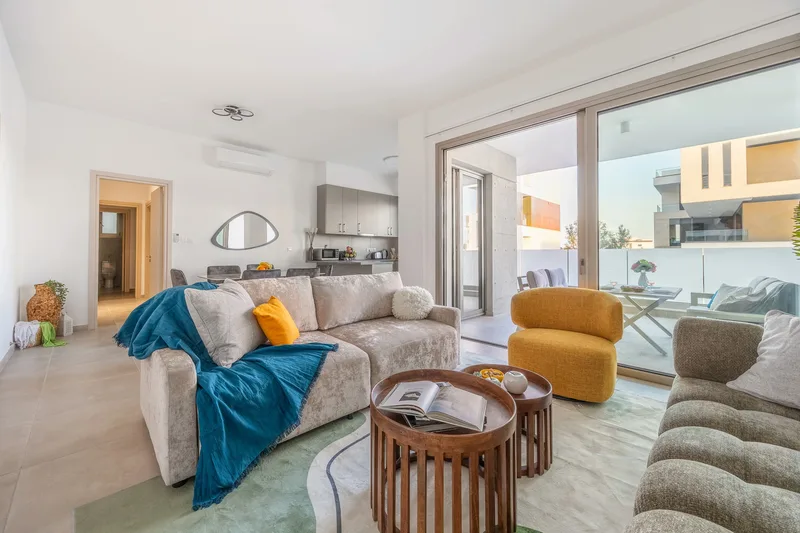
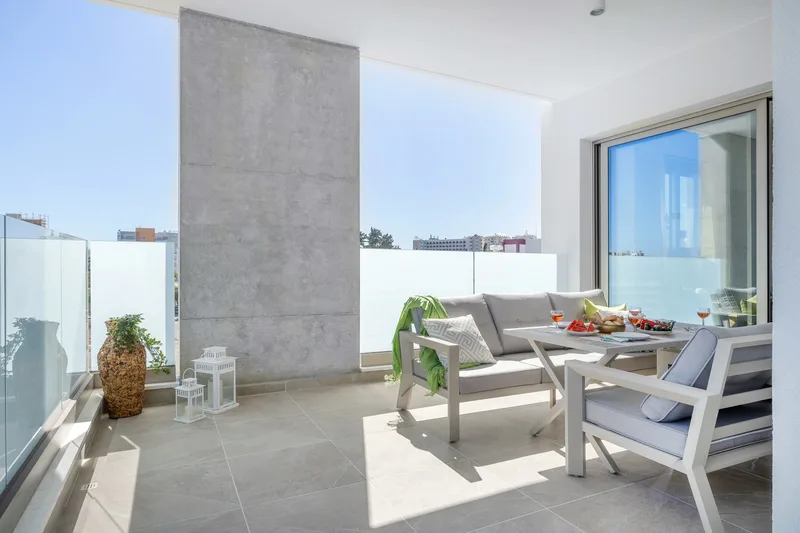
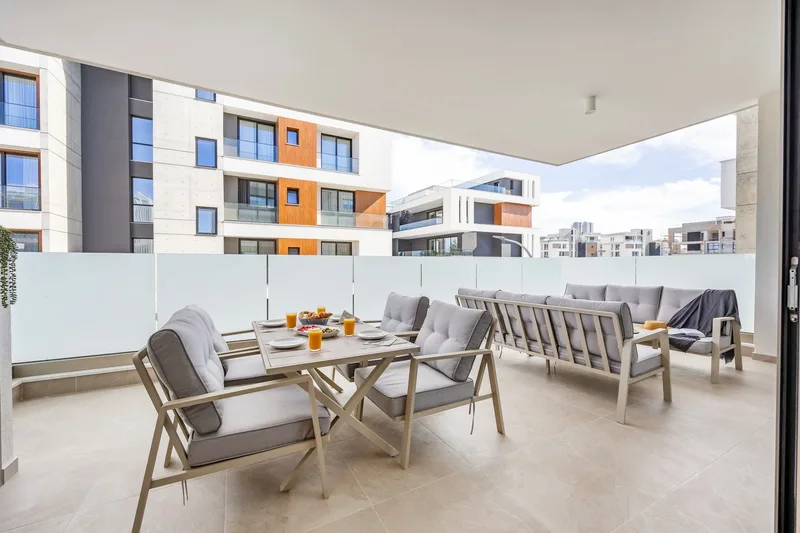
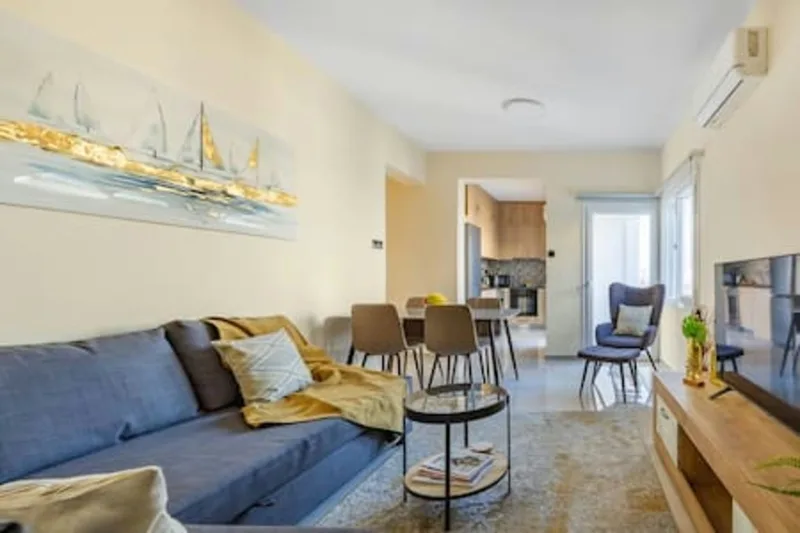
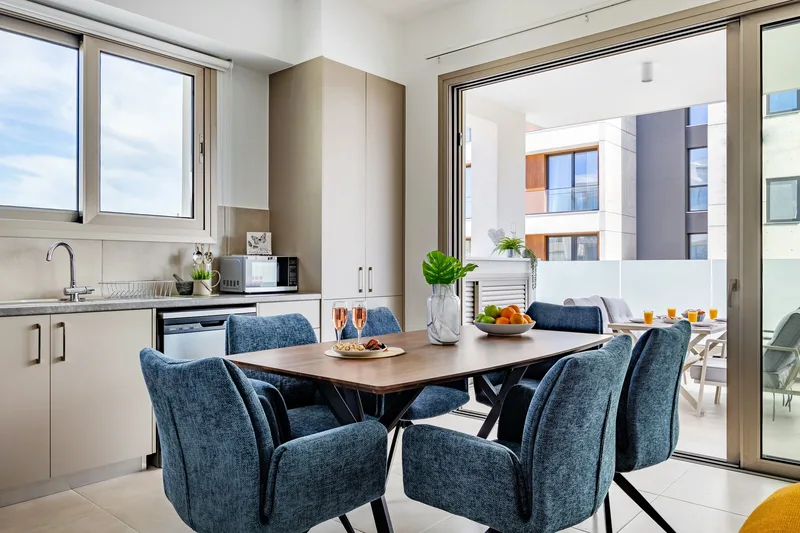
Location matters more than you might expect. A hotel makes sense for a four night summer beach break. Winter is different. Stays are longer, rhythms are slower, and having your own kitchen, your own terrace, your own space to settle into makes an enormous difference to how the trip feels.
Paphos is our top pick and it isn’t a difficult call. Compact and walkable, with enough restaurants, cafes, and cultural sites to fill two weeks without a car. Its archaeological park is minutes from the harbour. Climate is the mildest on the island. And community here in winter, when the town contracts to its core, feels genuinely special.
Limassol is right for anyone who wants urban energy with their winter sun. Wine bars, galleries, a proper dining scene, and a working harbour with real life to it. Cosmopolitan is an overused word, but Limassol in winter earns it.
Aphrodite Hills works beautifully for golfers, families, and anyone who wants resort infrastructure with rural quiet. Restaurants, a spa, and tennis courts sit within the village. Coast is ten minutes away. Troodos foothills are twenty minutes in the other direction.
For remote workers and long stay visitors looking to stretch across several weeks or months, we have dedicated long stay options with everything set up for extended living: fast wifi, full kitchens, workspace, and rates that reflect the commitment. For a broader sense of what makes the island work year round, our complete Cyprus travel guide covers every region and season in detail.
Your Winter Trip Starts Here
We’ve watched this shift happen over two decades. Every year, a few more people discover that the island between November and March is not closed for business. It’s wide open, unhurried, and priced at roughly 30 to 40 percent less than peak summer.
Food is heartier and more soulful. Landscapes are green. Sites are empty. Welcome from people who finally have time to talk is warmer than any you’ll get in August. And weather is warm enough to eat outside most days.
Browse our winter sun collection or explore our full property listings to find the right fit for your dates. Book early for February if you want to catch Carnival. Book January if you want the deepest quiet.
South coast in winter doesn’t try to impress you. It just lets you in.
Title Candidates:
- Cyprus Winter Holiday: Why the Quiet Months Are the Island’s Finest (preferred)
- Cyprus Winter Holiday: Sun, Silence, and the Real Island
- Cyprus Winter Holiday: What Nobody Tells You About November to March