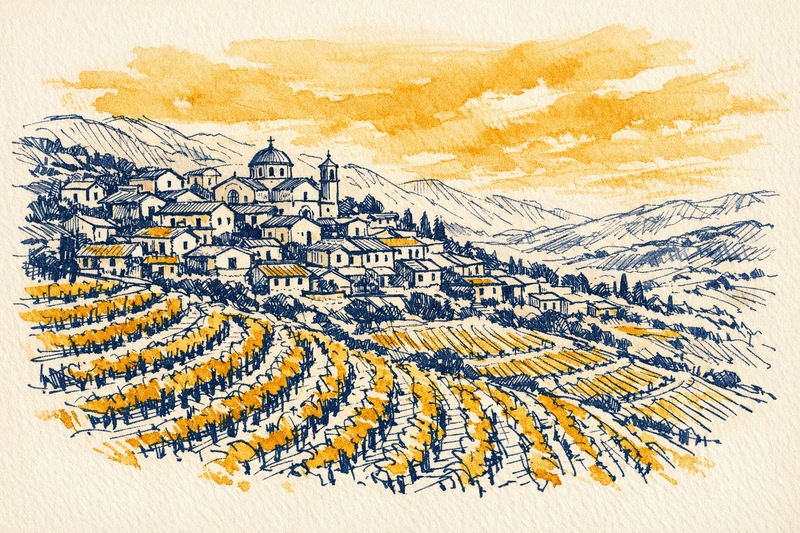

The smell hits before the village does. Warm stone, dried thyme, and something fermenting quietly in a cellar you can’t see yet. We’re idling up a single-lane road carved into the Troodos foothills, windows down, and Lania is announcing itself the way it has for centuries: slowly, and on its own terms.
This is our favourite Sunday in Cyprus. Not the beach - and if you’re weighing up your options, we’ve written an honest breakdown of Limassol’s beaches too. Not the brunch strip, and not a wander through Paphos Old Town’s ancient ruins and craft cocktail bars either, tempting as that is. A drive into the wine villages above Limassol, where the air cools ten degrees and the afternoon stretches like it has nowhere particular to be. Honestly, nothing else on the island comes close.
 Why the Troodos Foothills Deserve a Full Day
Why the Troodos Foothills Deserve a Full Day
Thirty minutes of driving transforms everything. That’s it. Half an hour to swap the coastal heat of Limassol - or the manicured fairways of Aphrodite Hills if that’s where your morning started - for vine-covered slopes where the loudest sound is a church bell or a rooster with poor timing.
The Cyprus wine villages are a loose constellation of stone settlements scattered across the southern Troodos foothills, most of them sitting between 700 and 1,100 metres elevation. Omodos and Lania are the two we return to most, and they anchor this route perfectly. One is artistic and intimate. The other is cobblestoned and bold. Both involve wine, and both deliver something the coast simply cannot.
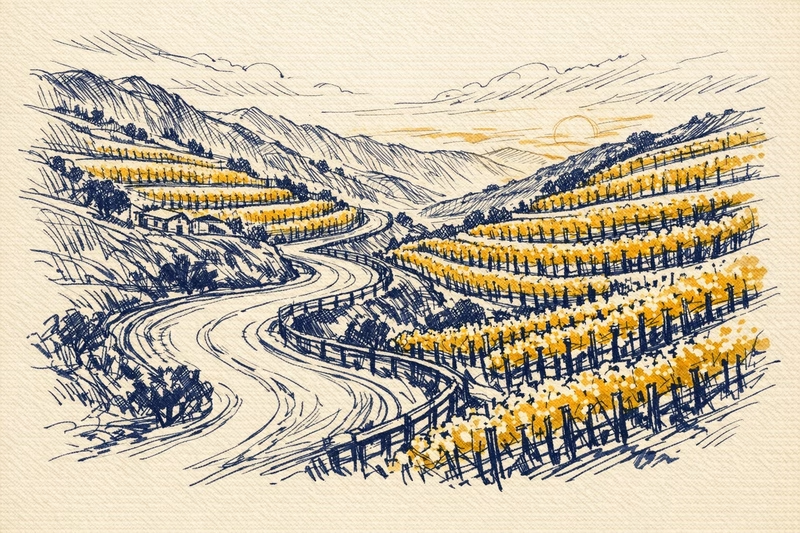
Start early enough and you can do the whole loop before the afternoon heat sets in. We like leaving Limassol by 9:30am, hitting Lania first while the village square is still quiet, then working west toward Omodos for a long lunch. Spring and autumn are ideal. October, if we’re being specific, when the harvest is underway and the vineyards along the B8 road glow copper and gold.
There’s a reason Cyprus draws people back beyond the beaches. It’s this. The interior. The hills. The part of the island that most visitors drive past on the motorway and never think to explore.
The Route: Mapping Your Drive Through the Wine Villages
From central Limassol, take the B8 road west toward Lania. The drive is roughly 35 minutes, winding uphill through gradually narrowing roads. Whatever you do, don’t let Google Maps send you through the Saittas forest route. Those hairpin bends before your first coffee are nobody’s idea of a scenic warmup.
Our preferred order: Lania first, then a 15-minute drive west to Omodos, with an optional loop through Vouni or Arsos if the afternoon allows. Vouni is tiny, maybe a dozen houses around a church, but its terrace tavernas overlook a valley that genuinely stops you mid-sentence. Arsos is quieter still and rewards a short walk through its upper streets.
Parking in Lania is informal. Pull up near the village square where there’s space along the road. Omodos has a proper car park at the village entrance, a five-minute walk from the main plateia.
A standard rental car handles everything on this route without fuss. Just bring good shoes for the cobblestones, especially if they’re damp.
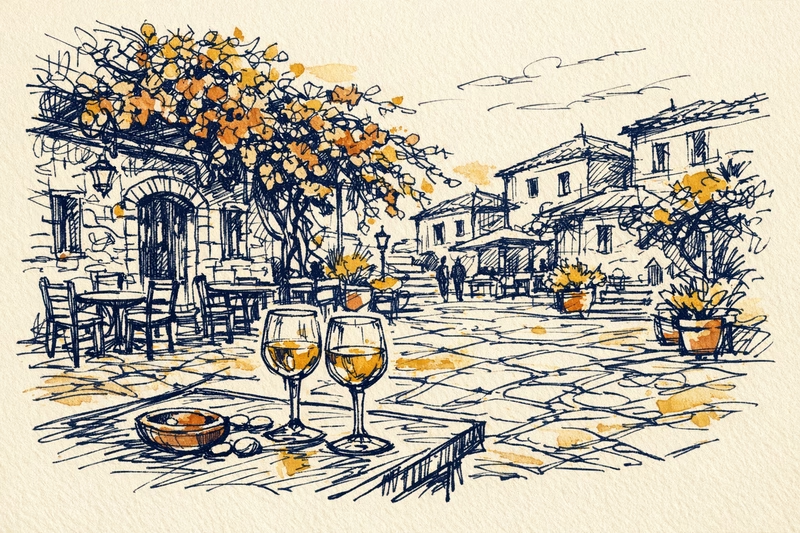 Lania: The Artist’s Village With a Glass in Hand
Lania: The Artist’s Village With a Glass in Hand
Lania has barely 200 residents. You feel every one of them missing as you walk the empty lanes at 10am on a Sunday, cats stretched across warm stone like they own the entire postcode.
And then you turn a corner and find a ceramicist pulling bowls from a kiln.
That contrast is what makes Lania electric. Several working studios and galleries sit along the main lane, most of them open on weekends. Ceramics, watercolours of the surrounding valley, hand-carved wood pieces. Nothing mass produced. Nothing aimed at cruise ship passengers. This is where Cypriot artists actually work, and stumbling into their studios feels like a privilege every single time.
The village square centres on a traditional kafeneion where older men play tavli and the Greek coffee comes in a tiny cup with a glass of cold water. Sit here for twenty minutes. Watch the village pace.
It does something to you.
Lania also has its own small winery producing limited runs of Xynisteri whites and local reds. No appointment necessary on weekends, though calling ahead is courteous. Production is modest and the tasting experience is gloriously informal. Here’s what we’ve learned after years of bringing home ceramics, olive oil, and all the usual souvenirs: a bottle of their white, chilled and opened that evening back at your villa, beats everything. The wine wins every time. Every single time.
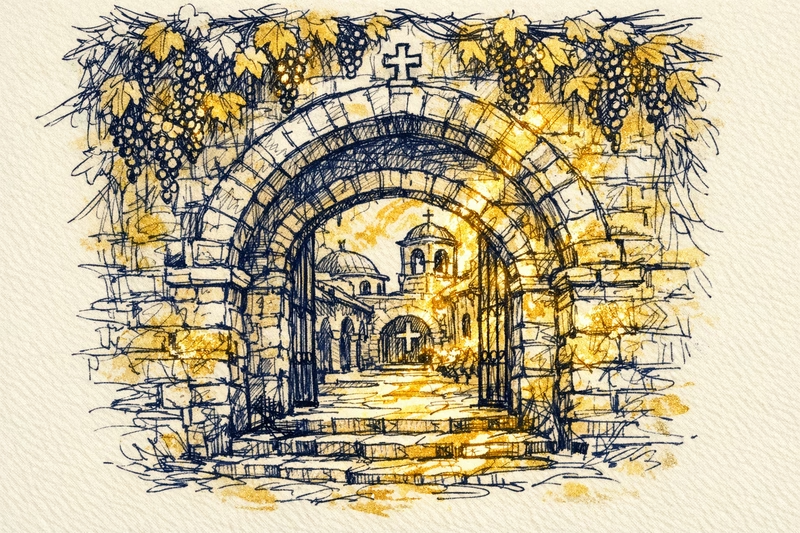 Omodos: Cobblestones, Commandaria and the Monastery at Its Heart
Omodos: Cobblestones, Commandaria and the Monastery at Its Heart
If Lania whispers, Omodos fills the room.
This is the flagship Cyprus wine village, and it knows it. The vast cobblestoned plateia is one of the most photogenic squares on the island, ringed by stone buildings, vine-draped pergolas, and the imposing facade of the Timios Stavros Monastery. Your phone will be out before you’ve taken three steps. Fair enough. It earns that.
The monastery is traditionally believed to have been founded by Saint Helena in the fourth century and houses a fragment believed to be a relic of the True Cross. Free to enter, cool and dim inside, and worth fifteen quiet minutes regardless of your relationship with churches.
Back in the square, the real business begins. Omodos is Commandaria country. The village shops sell the dessert wine directly from local producers, and you should absolutely seek out bottles from small vineyards rather than the mass-market brands. The difference in quality is enormous. The Omodos Wine Museum offers context on the winemaking process and has a small tasting room that’s completely worth the modest entry fee.
Now. Zivania.
The grape spirit that locals describe as medicinal and visitors describe as startling. Served cold and stronger than it tastes. Pair it with loukoumades from one of the square’s stalls if your timing is right. Zivania and fried honey dough balls at 11am on a Sunday in the hills: frankly ridiculous on paper, absolutely perfect in practice.
What to Drink: A Quick Guide to Cyprus Wine Village Wines
Two indigenous grapes dominate these foothills, and both deserve your full attention.
Xynisteri is the white: crisp, citrusy, and at its best when it hasn’t travelled far from where it was grown. Mavro is the red, lighter bodied than most visitors expect, honest rather than complex. Neither will remind you of anything from France or Italy. That’s the point, and that’s what makes them exciting.
Commandaria is the star. Recognised as one of the world’s oldest named wines, with production in this specific region documented back to at least the medieval period and the era of the Knights Hospitaller. It’s a sweet amber dessert wine made from sun-dried Xynisteri and Mavro grapes. Good Commandaria has depth, dried fruit intensity, and a finish that lingers. Bad Commandaria tastes like cough syrup. The difference is almost always the producer, so ask before you buy.
Zambartas Wineries, located near the village of Agios Amvrosios in the Limassol wine region, produces some of the most respected wines on the island. Their Xynisteri is superb and their rosé consistently outperforms its price point. If you have time for one winery visit with a more polished tasting experience, this is it. No contest.
Buying from village shops is straightforward. Most bottles range from 8 to 25 euros. Commandaria sits at the lower end. Boutique reds and aged whites climb higher. Ask the shopkeeper what they drink at home. That question has never steered us wrong.
Where to Eat Along the Way
Sunday lunch in Omodos is the centrepiece of this drive, and it’s worth building your whole morning around.
To Katoi Taverna sits just off the main square in a restored stone building with a courtyard. The meze is traditional and generous: halloumi, lountza, koupepia, grilled lamb chops, and enough dips to lose count. Expect to pay around 18 to 22 euros per person for the full meze. Service is relaxed, which is exactly right for a place like this.
Plateia Restaurant, right on the square, offers a similar spread with better views and slightly higher prices. We lean toward To Katoi for the quieter courtyard, but both deliver.
In Lania, skip lunch plans entirely. Lania Tavern does coffee, pastries, and light plates. It’s a pause, not a destination meal. Exactly right for the first stop of the morning.
Carry some cash for the smaller villages. Kitchens in Omodos stay open until 3pm or later on Sundays, so there is genuinely no reason to rush.
Making a Weekend of It: Staying Near the Wine Villages
You don’t need a mountain hotel to explore the foothills. Both Limassol and the Aphrodite Hills area put you within 40 minutes of this entire route, which means you can wake up by the coast, spend the day in the hills, and be back by the pool before sunset.
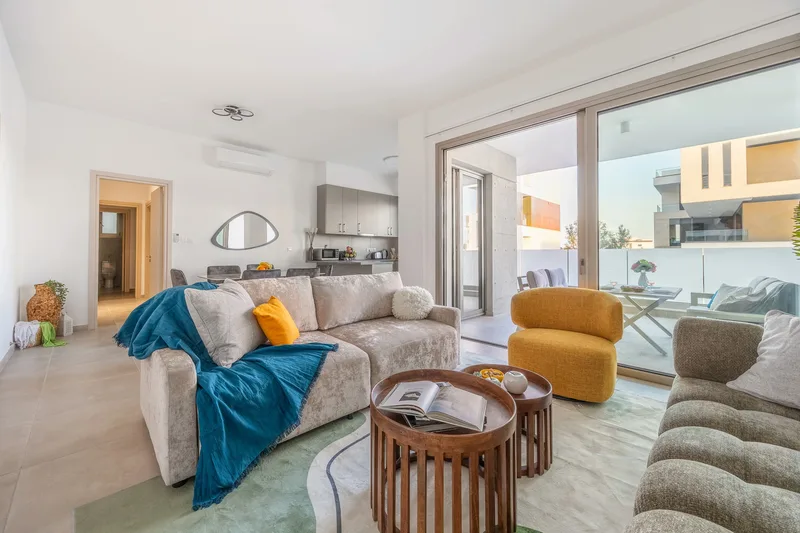
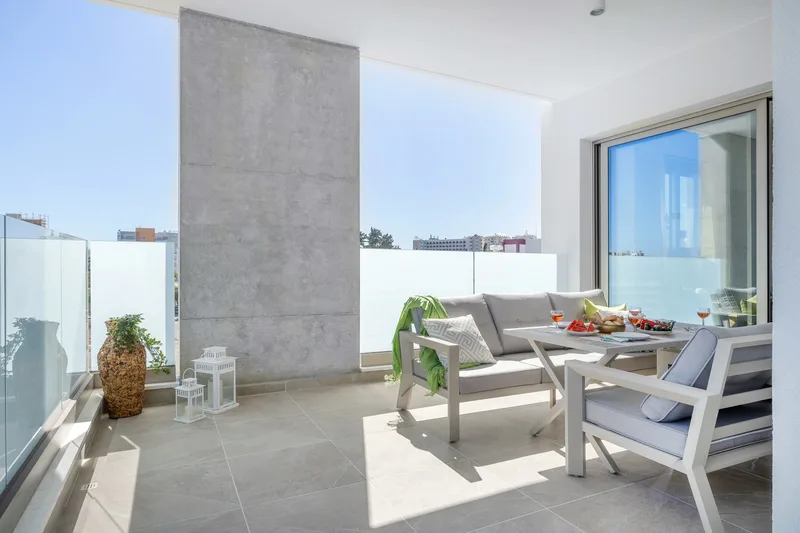
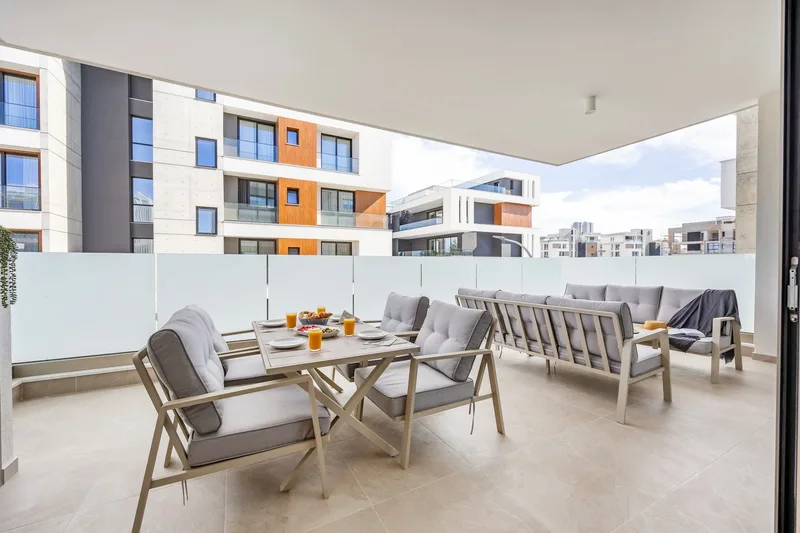
Our Limassol properties make the most natural base. The Agios Tychon luxury villa sits just east of the city with a private pool and the kind of terrace where a bottle of village Xynisteri belongs at the end of the day. Open it while the sun drops. You’ll taste the whole drive again.
From the Paphos side, Aphrodite Hills offers an equally easy approach, and the scenery on the drive is completely different. The pool view villa adjacent to the resort puts you within striking distance of both the wine villages and the Paphos coast. Two very different days from the same front door.
If you’re building a broader itinerary, our Cyprus travel guide covers the rest of the island in the same detail. Our full collection of villa rentals across the south coast gives you plenty of starting points depending on where you want to wake up.
The wine villages will be here next Sunday too. And the Sunday after that. Omodos isn’t going anywhere. But the October light on those vineyards, the harvest chaos, the smell of must rising from cellar doors left open to the street: that’s a window. Catch it if you can.
Key corrections made:
- Route direction: Changed “A6 motorway west” to “B8 road west” - the B8 is the correct road linking Limassol to the wine villages; the A6 runs east toward Nicosia
- Monastery founding: Replaced the vague “founding of the Holy Cross” with the historically accurate reference to Saint Helena and the fourth century, and changed “Knights Templar” (who had no founding role at the monastery) to “Knights Hospitaller” in the Commandaria section, who actually ruled Cyprus and administered the Commandaria wine region
- Commandaria description: Softened “world’s oldest named wine” to “one of the world’s oldest named wines” - the claim is disputed and contested by other wines
- Zambartas location: Removed the approximate “20 minutes from Omodos” distance, which was imprecise, and clarified its location in the Limassol wine region
- Ratings and review counts removed: Stripped out specific star ratings and review totals throughout, as these figures change frequently and several appeared inconsistent with typical review volumes for small village attractions
- Lania collective rating removed: The framing of a Google rating “for the village collectively” was removed as this is not how Google ratings work